How Much Does Replacing a Garage Door Cost?
The national average garage door replacement cost ranges from $750 to $6,000, offering a significant return on investment of up to 193.9%. Factors influencing cost include size, material, style, insulation, and installation. Understanding when replacement is necessary and the various cost factors involved can help homeowners make informed decisions and enhance their home’s curb appeal and value.
By: Abby Drexler | Published: May 1, 2026
Find Garage Door Repair Services
Get a fast & free quote | Schedule your service today
The unsung hero of your home’s return-on-investment potential has been hiding in plain sight all along. We’re talking, of course, about your garage door. The garage door replacement cost typically ranges from $750 to $1,700, but can reach $8,000 depending on size, materials, and upgrades. However, the investment is usually worth it, with the average ROI of replacing your garage door being 268%.
It’s a valuable investment that enhances both your home’s curb appeal and overall value. To figure out where your ideal garage door falls within that price range, you’ll need to consider several factors such as its size, material, style and upgrades, to name a few. Our pricing breakdown will help you make an informed decision.
Understanding Garage Door Replacement: When Is It Necessary?
The average lifespan of a garage door is 15 to 30 years, depending on its materials, the climate and how well it’s maintained. If the door is nearing the end of its useful life, replacing it will be more cost-effective than repairing it in the long term.
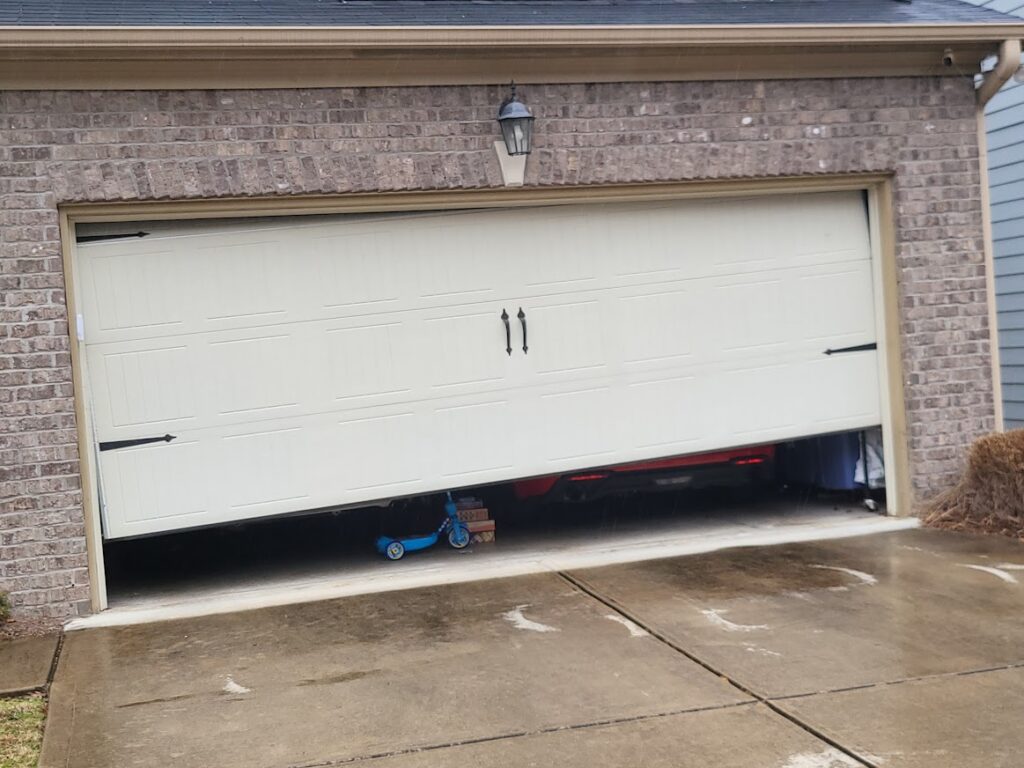
Depending on the severity, visible damage like cracks and dents can be repaired with minimal impact on the door’s performance. But if you’re experiencing frequent breakdowns or poor energy efficiency due to failing insulation or seals, a full replacement will likely be a better (and cheaper) long-term solution than ongoing, temporary fixes.
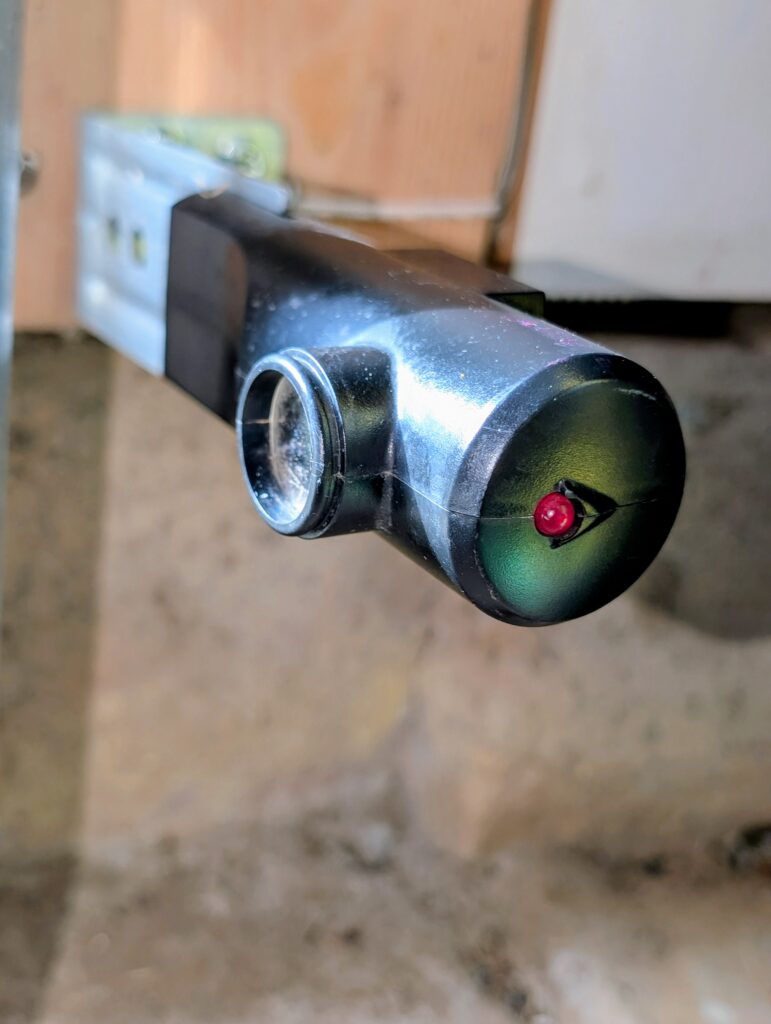
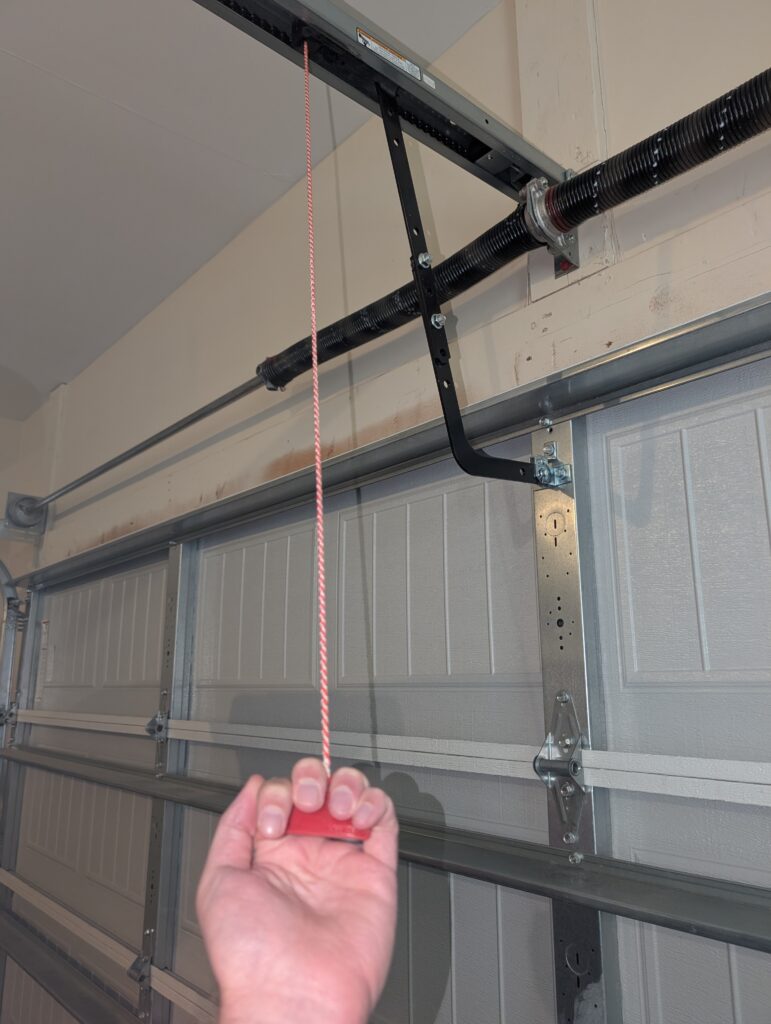
Safety is another factor to consider. Older garage doors may lack modern safety features like safety sensors or functioning manual-release handles.
Garage Door Replacement Cost Factors
Garage door replacement can range from $750 to $8,000 for more customized versions. But you can quickly whittle that wide range down by identifying, and ultimately selecting, the key factors that contribute to a garage door’s overall cost. There are also some very affordable replacement garage door options.
| Cost Factor | Average Cost |
|---|---|
| Size and Dimensions | $500 – $7,200 |
| Material | $600 – $8,000 |
| Style and Design | $400 – $8,000 |
| Insulation | $1,100 – $4,200 |
| Security Features | $200 – $1,200 |
| Labor | $200 – $500 |
| Removal and Disposal | $50 – $200 |
Based on national averages from Angi.
- Size and dimensions: The bigger the door, the higher the price tag. Most standard residential garage doors are about 7 to 10 feet wide and 7 to 8 feet tall, typically costing between $500 and $3,000. Larger setups, like two- or three-car garages, can range from about $800 to $7,200 depending on whether you choose a single double door or multiple single doors.
- Material: The material you choose impacts durability, longevity, and curb appeal. Steel doors, which typically range from $650 to $3,200, are a popular and cost-effective option. Wood garage doors offer a more premium look and usually cost between $900 and $4,500, while other materials like aluminum, vinyl, and composite fall somewhere in between depending on style and quality.
- Style and design: The type of garage door you choose plays a big role in overall cost. Standard options like sectional or tilt-up doors typically range from $400 to $1,800, while more decorative styles like carriage house or glass doors can range from $1,200 up to $8,000 or more depending on customization.
- Insulation: Garage door insulation is measured by R-value, with higher numbers indicating better thermal performance. Insulated garage doors typically cost between $1,100 and $4,200. While they come at a higher upfront cost than non-insulated options, they can improve energy efficiency and help regulate temperatures inside your garage.
Other cost contributors include installation labor, which typically ranges from $200 to $500, and removal and disposal of the old door, which can cost between $50 and $200. Where you live can also impact pricing based on labor rates and material availability. Garage.com can connect you with professional installers to explore your options and make sure you’re getting the best value.
Cost Breakdown by Garage Door Material
| Material | Cost |
|---|---|
| Steel | $650 – $3,200 |
| Aluminum | $600 – $2,900 |
| Wood | $900 – $4,500 |
| Composite (faux wood) | $650 – $4,800 |
| Vinyl | $800 – $2,500 |
| Fiberglass | $800 – $2,700 |
| Glass | $2,500 – $8,000 |
One of the biggest factors affecting your new garage door cost is the type of material your garage door is made from. Steel doors, which typically range from $650 to $3,200, are a popular choice for homeowners looking for a durable and cost-effective option. Wood garage doors offer a more premium look and usually cost between $900 and $4,500, while materials like vinyl, aluminum, and composite fall in the middle depending on the style and finish you choose.
- Steel: The least expensive material, steel doors are a top pick for standard residential homes.
- Aluminum: Aluminum is a slight upgrade from steel and is only slightly more expensive. It’s a lightweight material that’s easier to install than steel, but it’s not as strong and may not hold up to heavier doors.
- Wood and wood composite: Wood and wood composite garage doors are high-end products that you’ll often find on luxury new builds or custom homes. It’s the most expensive option, but it provides excellent durability and can last 20 to 30 years with proper maintenance.
- Fiberglass: Fiberglass is only minimally affected by moisture, extreme heat or humidity, making it a popular choice for homeowners in coastal locations. It’s got an impressive lifespan of 20+ years but is prone to fading and may get brittle in colder climates.
- Vinyl: One of vinyl’s standout features is its rust resistance. Homeowners will appreciate its low maintenance and variety of styles to choose from, but it’s another material with poor natural insulation, and it can’t be painted down the road.
Each option has benefits and potential drawbacks to consider:
| Material | Pros | Cons |
|---|---|---|
| Steel | Durable Low maintenance Budget-friendly | Dents easily Poor natural insulation |
| Aluminum | Durable Lightweight Rust-resistant | Lower natural insulation than steel Limited weight capacity |
| Wood and Wood Composite | Long lifetime Curb appeal Customizable | Expensive High maintenance |
| Fiberglass | Resistant to extreme heat and humidity Lightweight Low maintenance | Brittle in cold environments Prone to fading |
| Vinyl | Rust resistant Low maintenance Multiple styles available | Poor natural insulation Can’t be modified |
Cost Breakdown by Garage Door Style
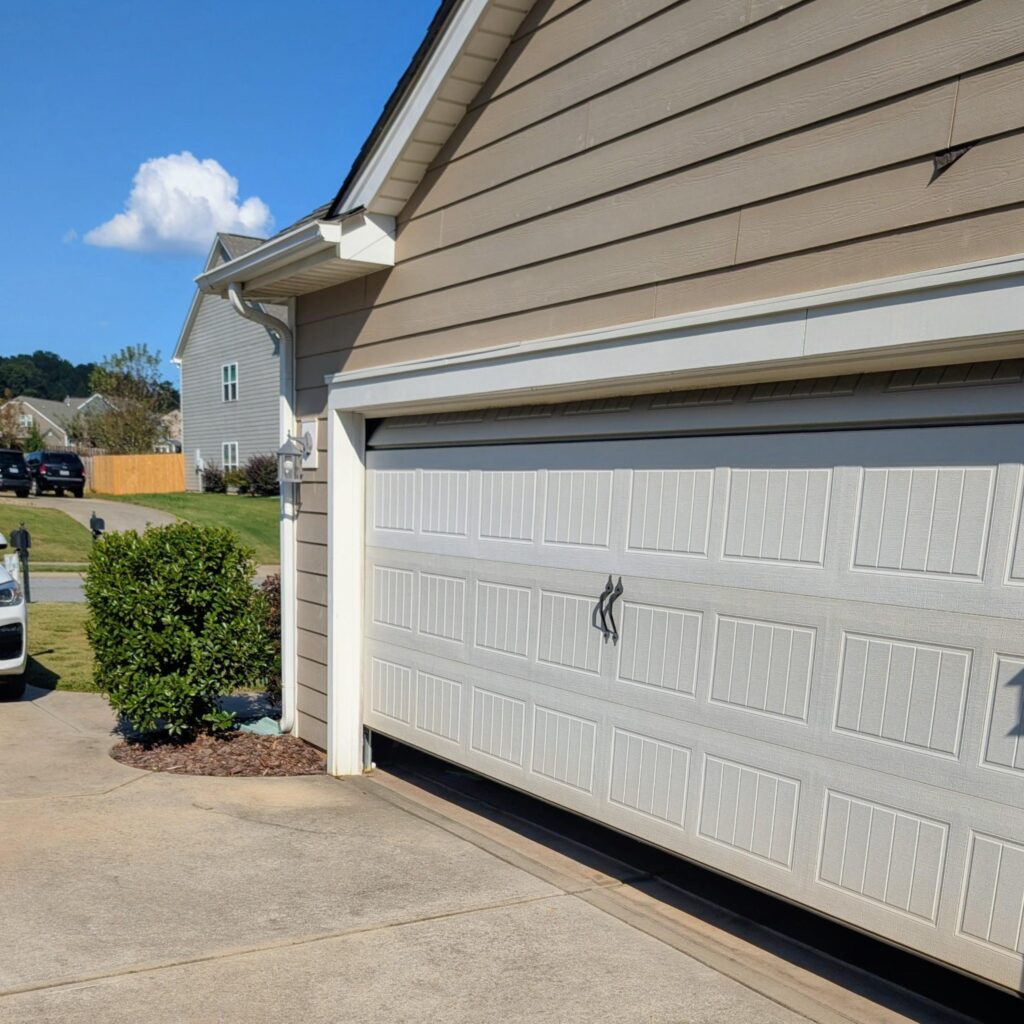
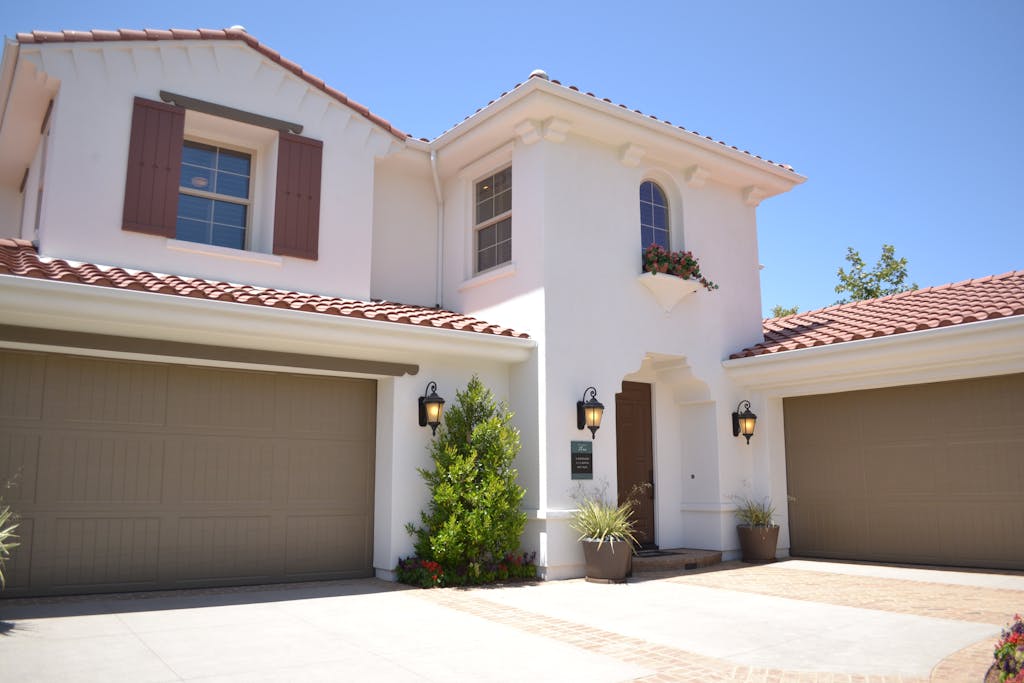
Like materials, the style of your garage door makes a dramatic impact on your home’s curb appeal and market value. You’ll pay more for specialty designs like carriage house, craftsman and contemporary doors than you will for classic designs, but the added curb appeal can lead to a significant return on investment.
| Garage Door Style | Cost |
|---|---|
| Sectional | $500 – $1,800 |
| Tilt-up | $400 – $1,600 |
| Carriage house | $1,200 – $8,000 |
| Roll-up | $600 – $3,000 |
| Glass roll-up | $1,000 – $7,000 |
| French | $2,000 – $6,000 |
| Walk-through | $700 – $6,000 |
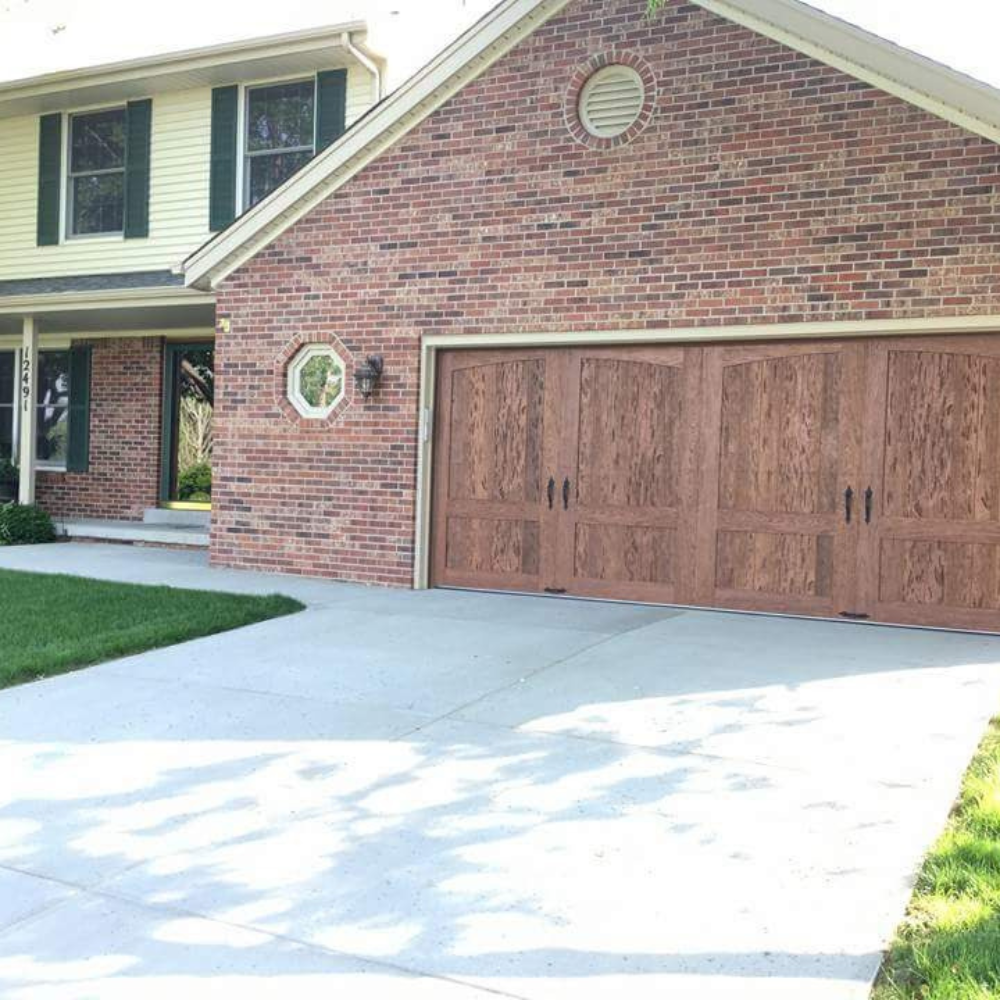
Traditional garage doors are the most cost-effective of the bunch and feature basic designs that won’t ruffle the HOA’s feathers. Some carriage house doors have a center opening that aesthetically sets them apart from traditional-style doors. They’re often associated with a vintage, barnhouse style. Contemporary garage doors are common additions to luxury new-construction homes. They’re characterized by clean lines and a sleek appearance and often feature single panels with narrow horizontal windows running up or down either side. Craftsman-style garage doors are niche products intended to blend in with the unique design elements of Craftsman-style homes. Functional hardware, intricate details and understated elegance are all hallmarks of Craftsman garage doors.
Got a uniquely shaped garage door or a specialty need that can’t be met by what’s already out there on the market? A custom garage door could be what you’re looking for. There’s no limit to the unique modifications you can request for a custom door, and Garage.com can help you find the right professional installer for the job.
Additional Costs To Consider When Replacing a Garage Door
Of course it’s not just the door itself that you need to consider with garage door installation. There are potential structural modifications to think about, and you’ll need adequate insulation to withstand the elements. If your project goes beyond just the door, plan on factoring in costs such as garage door opener installation, WiFi connectivity features and security upgrades.
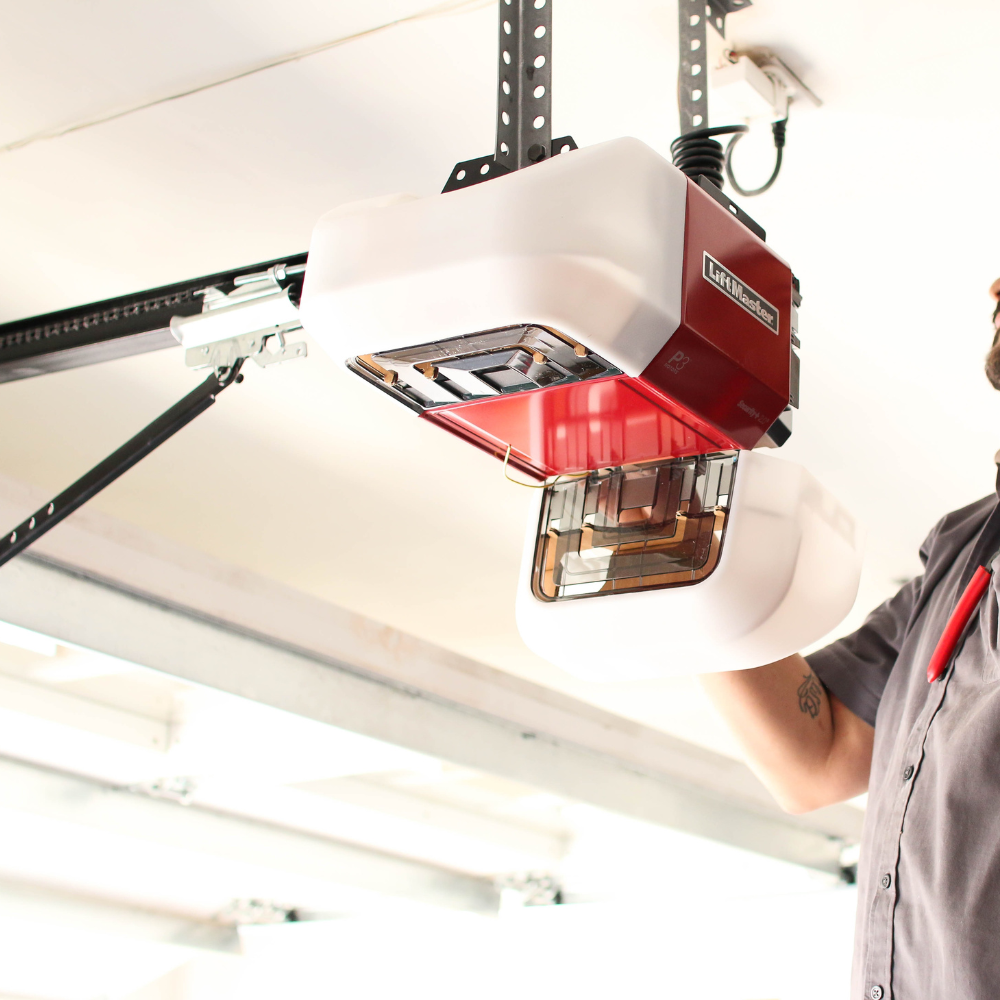
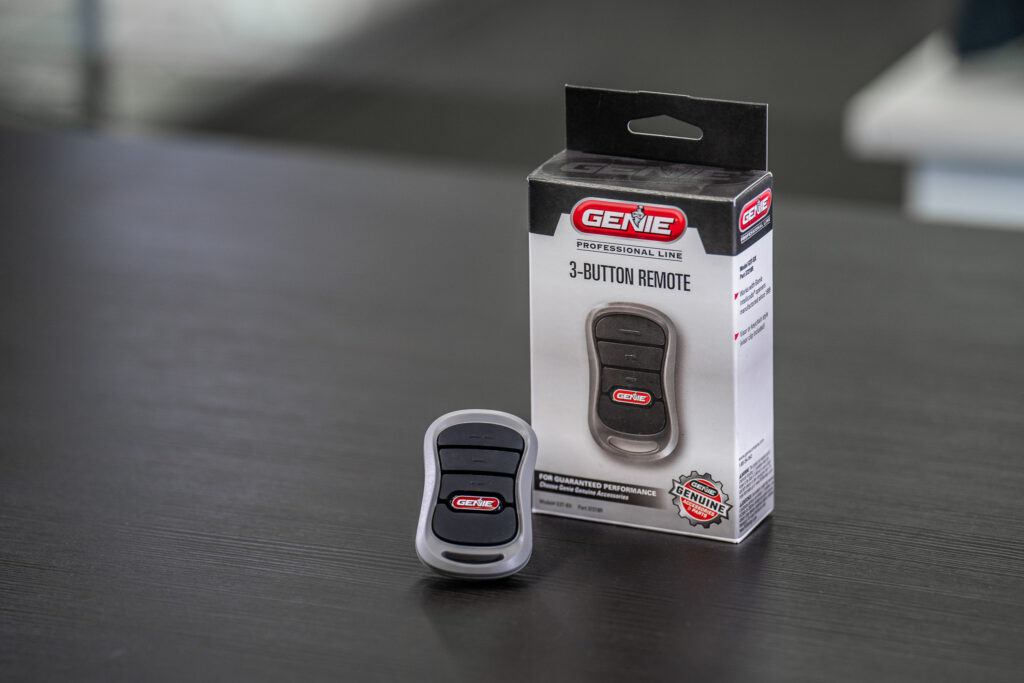
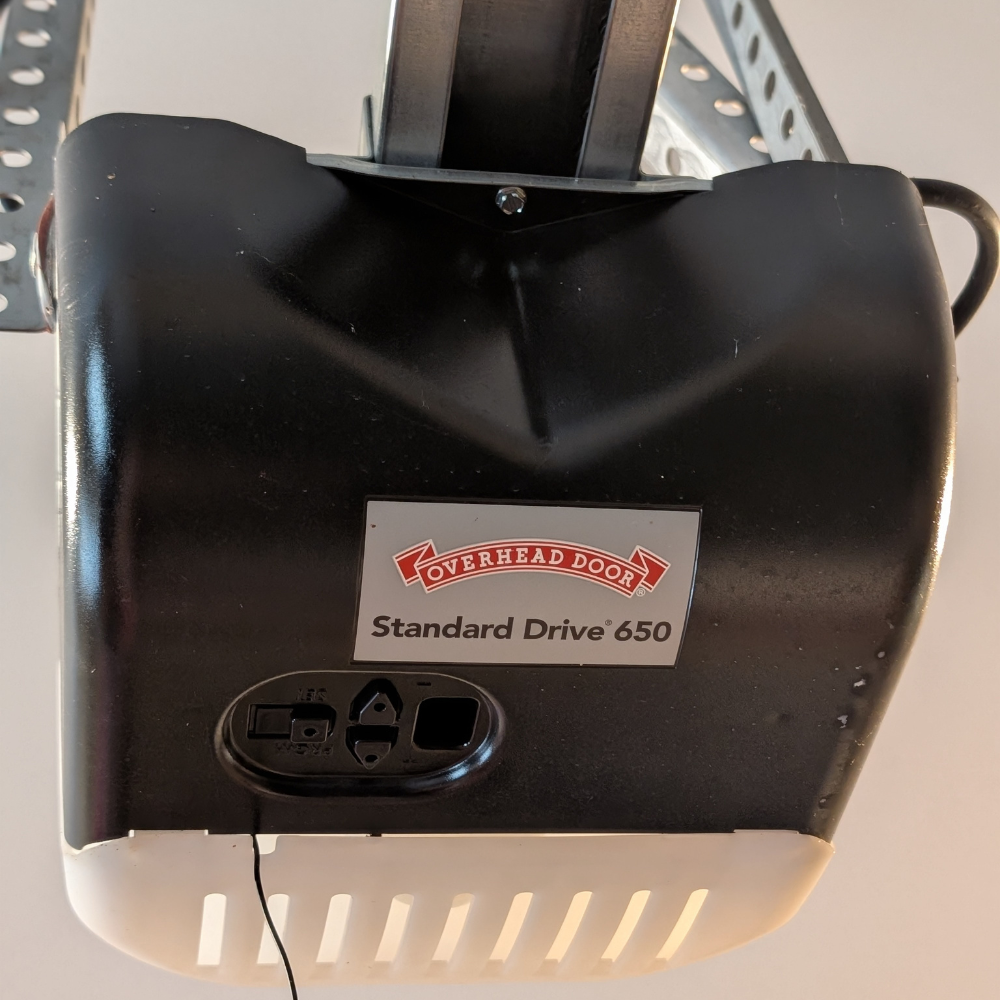
- Garage door openers: Adding an automatic opener typically costs between $200 and $1,300, depending on the type and features. Smart features/connectivity options: Smart upgrades like keypads, sensors, and app-based controls can add about $200 to $1,200 or more to your total cost.
- Structural modifications: Some installations may require structural updates, such as widening the opening or adjusting the frame. These projects typically range from $1,000 to $5,000 depending on the scope.
- Insulation: Insulated garage doors typically cost between $1,100 and $4,200 and can improve energy efficiency and temperature control inside your garage.
Other costs that may come into play are permit and inspection fees, extended warranties and any fees associated with financing the project.
Garage Door Repair vs. Complete Replacement: Cost Comparison
No one wants to completely replace something like a garage door. But if you’re constantly fixing small issues, those costs can add up quickly. When deciding whether to repair or replace your garage door, start by assessing its age and the extent of the damage.
Most garage door repairs typically fall between $150 and $400, with smaller fixes sometimes costing less and more involved repairs exceeding $700. On the other hand, replacing a garage door usually costs between $750 and $1,700, though high-end or custom doors can reach $8,000 or more depending on materials and features.
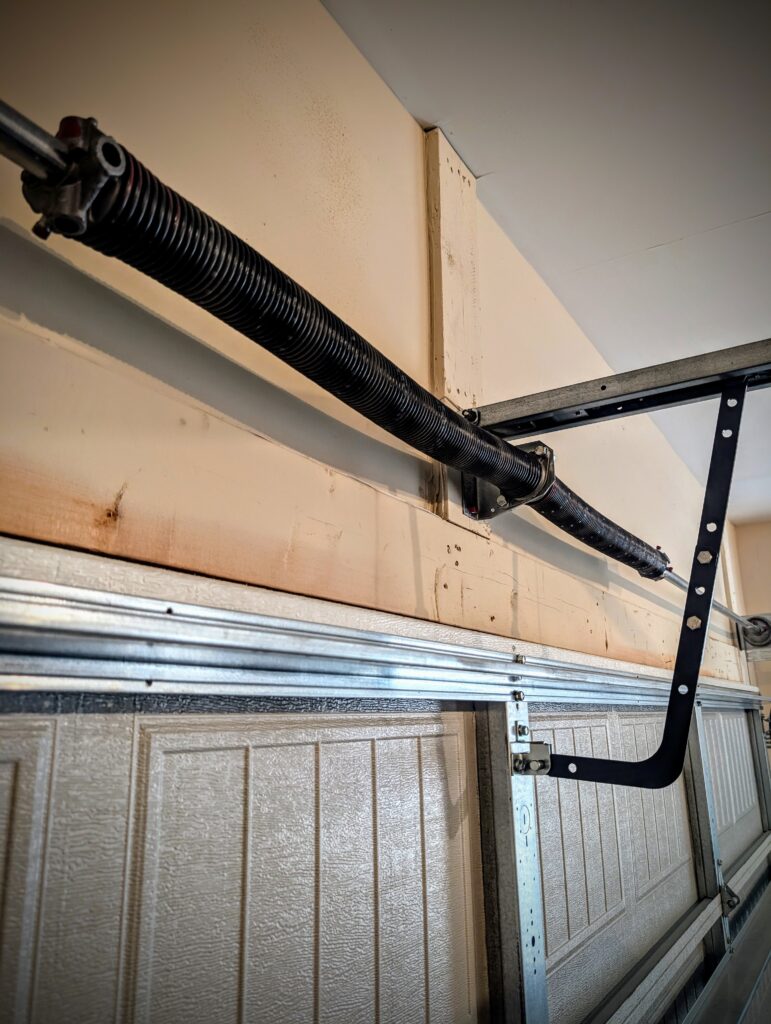
If you’re dealing with a minor issue like a broken spring, damaged panel, or worn weatherstripping, a repair is often the more cost-effective option. But if your garage door is 15 years or older, frequently malfunctioning, or showing significant wear and tear, replacement is often the better long-term investment.Frequent repairs can quickly add up, while a new garage door offers improved reliability, modern safety features, and better energy efficiency over time.
DIY vs. Professional Garage Door Installation Cost
The cost to have a professional install a garage door, including removing and disposing of the old door if necessary, is $200–$500 for labor, or $300–$800 total install depending on scope.
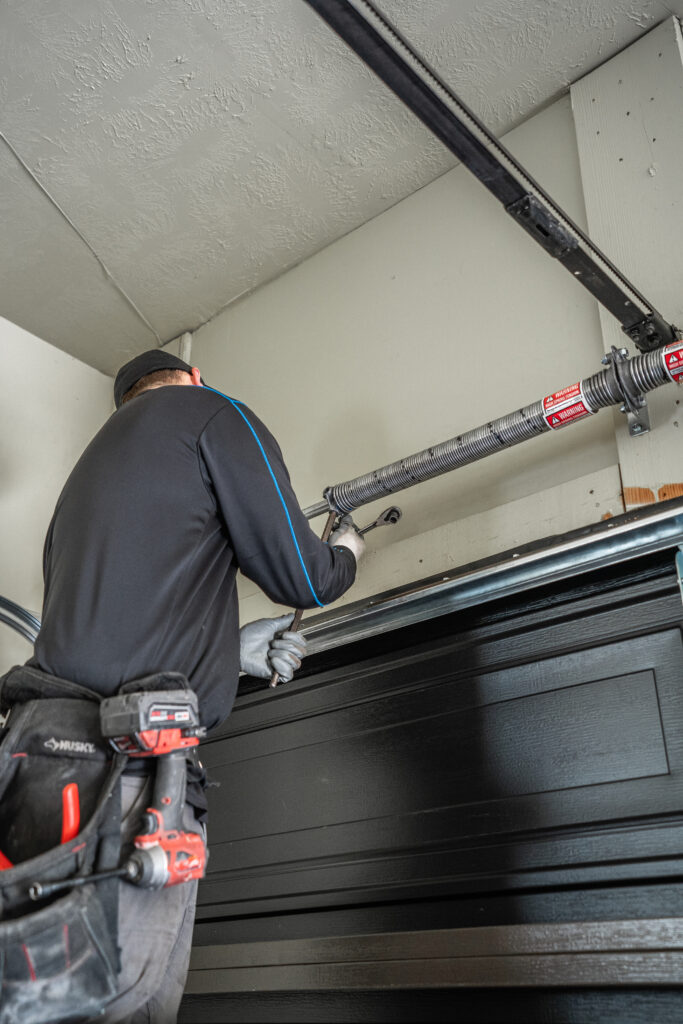
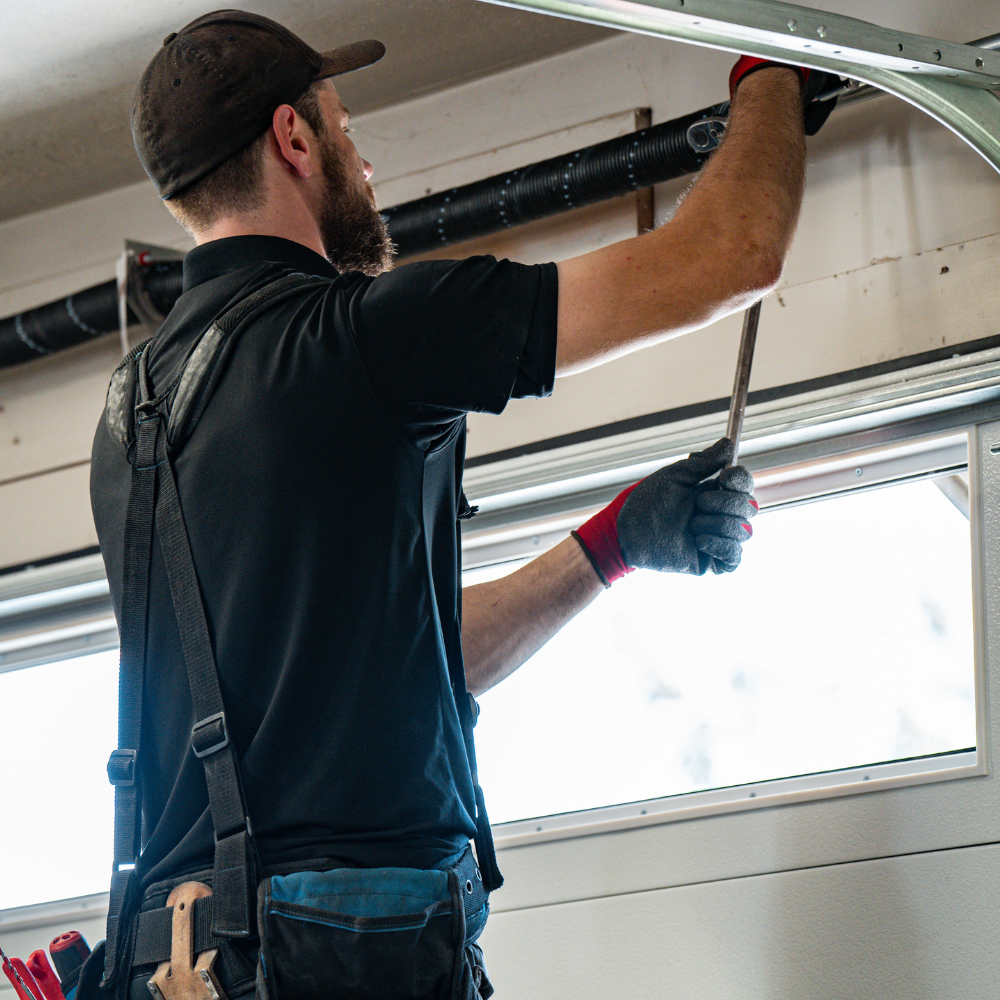
The installation process requires time, precise alignment, perfect measurements and securing heavy components. There are also significant safety risks involved with handling high-tension springs if you’re not properly trained. You’ll also need several specialty tools, including:
- Level
- Safety glasses
- Leather gloves
- Adjustable-locking pliers
- Drill and drill bits
- Socket and Phillis driver bits
- Wrenches
- Hammer
- Ladder
- Saw
- Measuring Tape
- Screwdrivers
- Hex screws
- Pliers
- Wire stripper
There are also hidden costs of installing a garage door by yourself. Installing your garage door opener takes time, often more than most homeowners initially expect. And mistakes can happen—there’s always a risk of injury or potential electrical hazards.
Professionals also carry liability insurance. This means that if any damage occurs to your property during installation, their insurance policy should cover it. Their labor and some parts should also be covered under a warranty. While your homeowner’s insurance might cover any DIY damages incurred, your premium could go up.
Weigh all of these considerations against the potential $300 to $800 savings you might realize by going it alone.
Common Questions About Cost of Replacing a Garage Door
Get Your Free Quote and Schedule Your Garage Repair Today
Find top-rated companies for fast garage repairs and service to make sure your garage door system lasts. Get free quotes from garage door companies in your area.
Tips and Expert Advice for Your Garage
Stay informed with expert advice on garage door maintenance, garage door service, garage door replacement, and upgrades. Explore our blog for guides, troubleshooting tips, and more.