Garage Door Replacement & Installation
Installing a new garage door offers significant benefits, from enhancing home safety and energy efficiency to providing the highest return on investment for home improvement projects. This guide covers when to consider replacement, material and style options, installation methods, and cost factors.
By: Abby Drexler | Published: March 30, 2026
Find Garage Door Repair Services
Get a fast & free quote | Schedule your service today
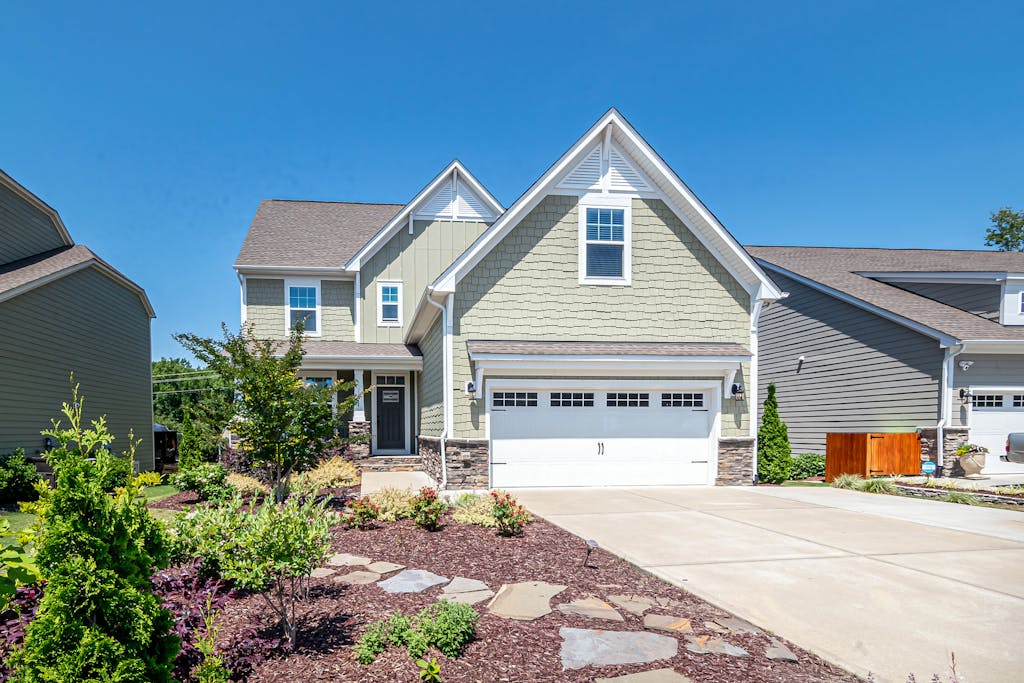
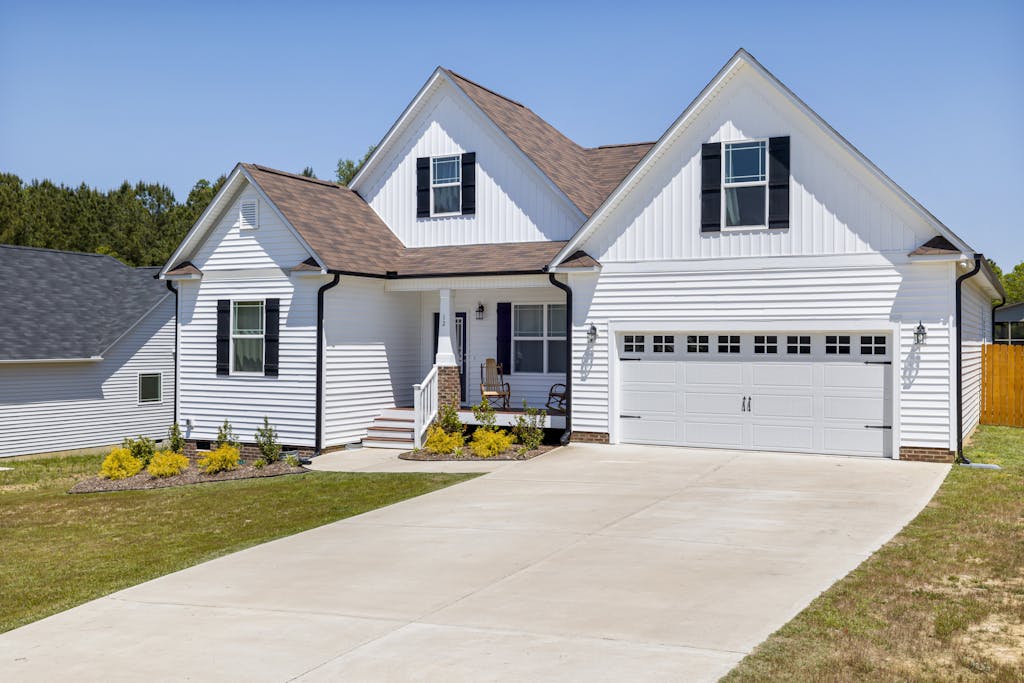
Your garage door plays a major role in your home’s safety, energy efficiency, and curb appeal. When it’s time for an upgrade, replacing it can deliver one of the strongest returns of any home improvement project.
In fact, garage door replacement delivered an average ROI of 268% in 2025, making it the highest-return upgrade for homeowners. Along with that return, a new garage door improves daily functionality, enhances security, and can even help lower energy costs depending on the materials and insulation you choose.
In this guide, we’ll walk through when to replace your garage door, how to choose the right option, what installation involves, and what you can expect to pay.
When To Consider Garage Door Replacement
The average lifespan of a garage door is 15 to 30 years depending on its materials and maintenance. Over time, wear and tear can impact both performance and safety, making replacement a more practical option than continued repairs.
It may be time to replace your garage door if you notice:
- Unusual noises even after repairs
- Visible damage like rust, dents, or cracks
- Faulty or aging hardware
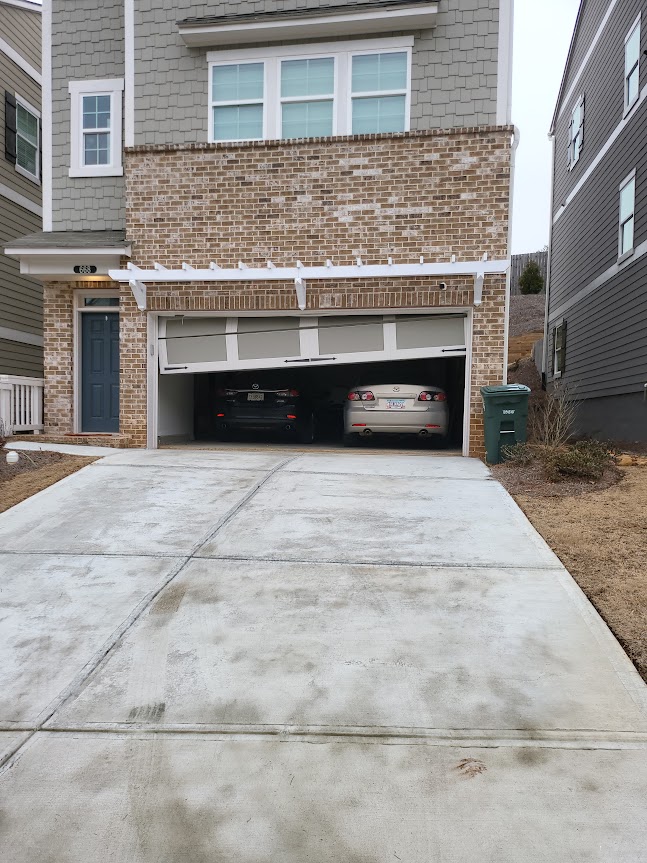
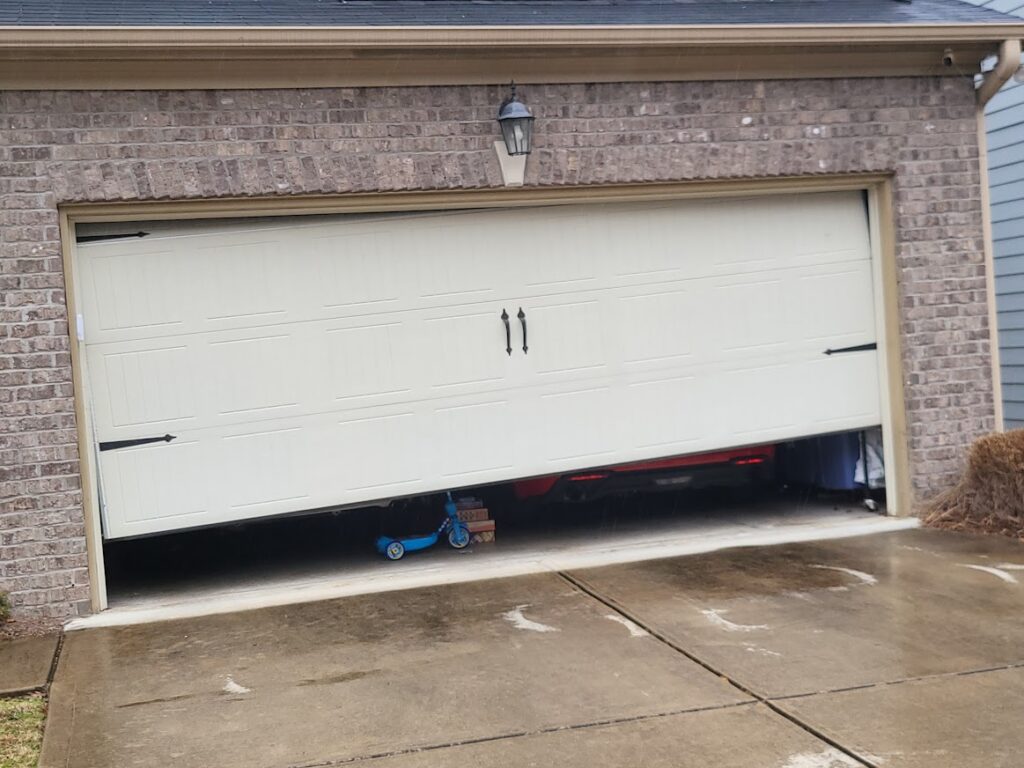
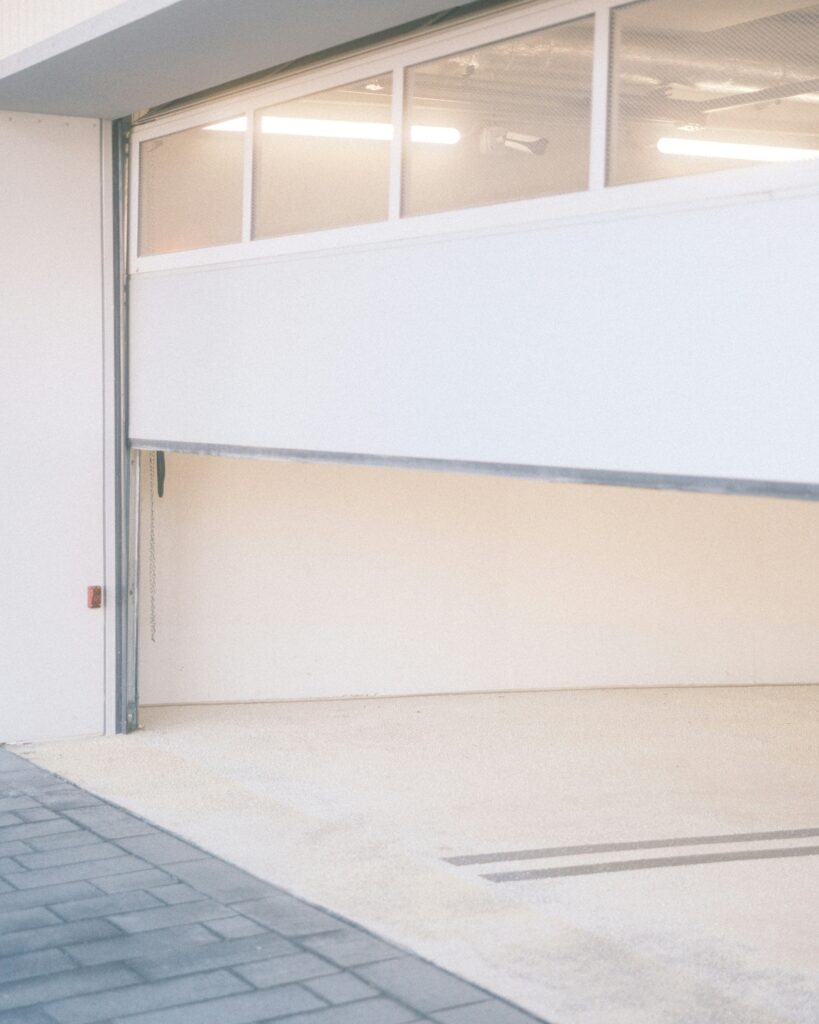
- The door is off-balance or not opening properly
- Repeated breakdowns or ongoing repair costs
- An outdated appearance that affects curb appeal
At a certain point, repairs stop being cost-effective. A common rule of thumb is to compare repair costs to replacement costs. As Mitch Coluzzi, cofounder of SoldFast, explains, “many homeowners begin considering replacement once repairs exceed about 50% of the cost of a new door.”
Age is another important factor. If your garage door is over 10 to 15 years old and starting to require frequent repairs, investing in a new system is often the better long-term decision.
In more severe cases, replacement becomes necessary rather than optional. As Kevin Vander Hyde, Vice President of Vander Hyde Services, notes, “when a garage door has frequent malfunctions, warped panels, rust, or structural damage, it’s usually more practical to replace it than continue repairing it.”
If there’s any doubt about safety or reliability, replacing your garage door provides peace of mind while improving performance and value.
What Buyers and Homeowners Notice After Replacing a Garage Door
Replacing a garage door isn’t just a functional upgrade. It directly impacts how your home is perceived from the outside. Homeowners and buyers typically notice:
- Improved curb appeal and a more modern exterior
- Smoother, quieter operation
- Increased security and updated safety features
- Better overall first impression
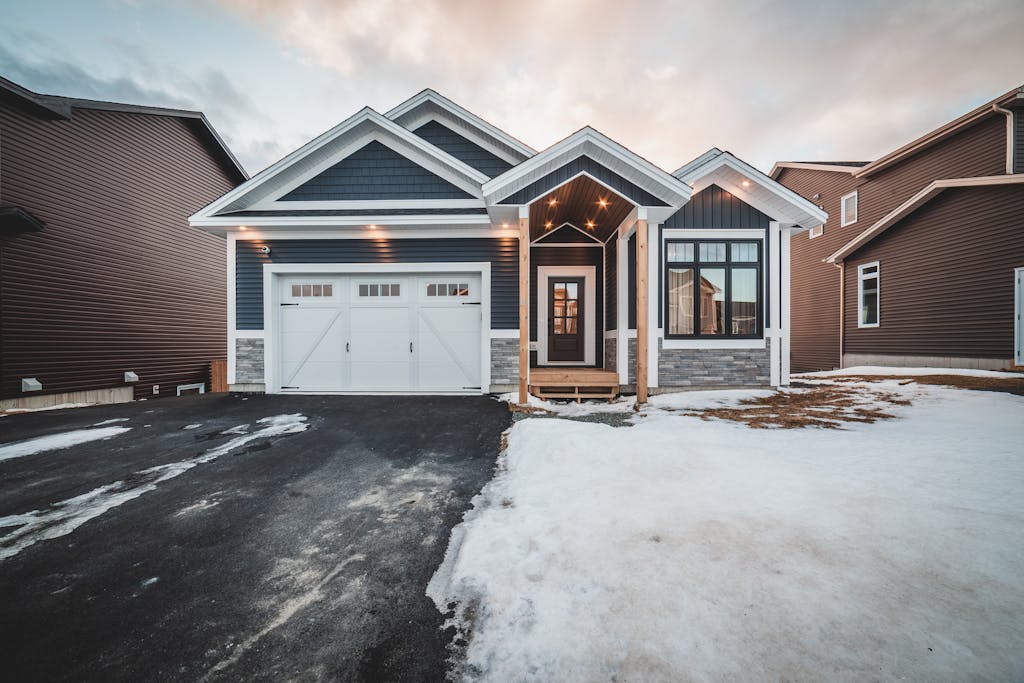
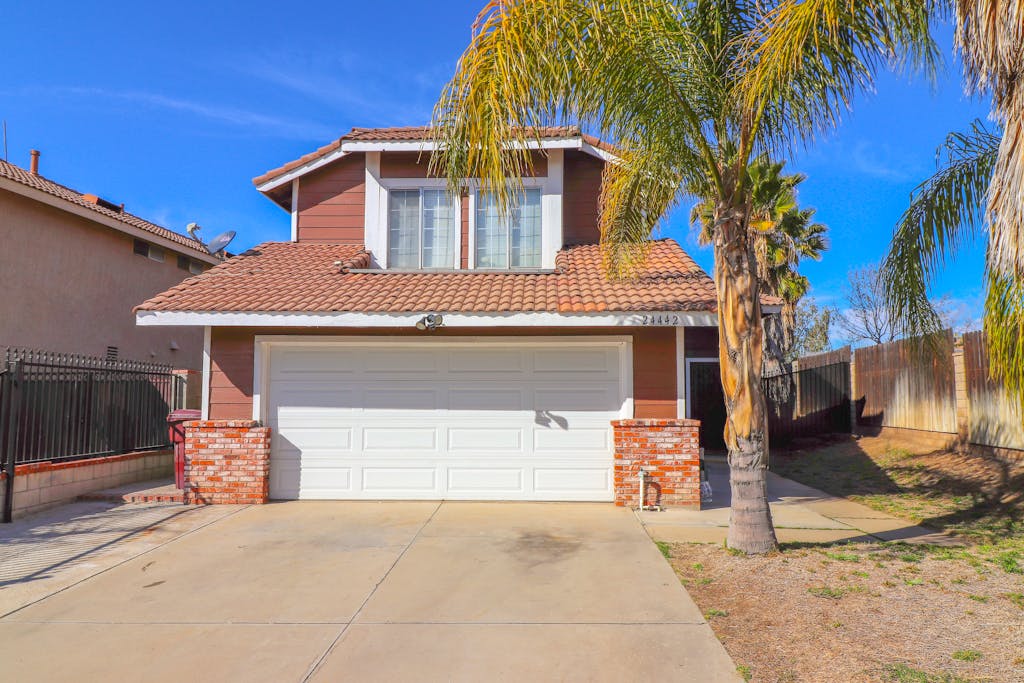
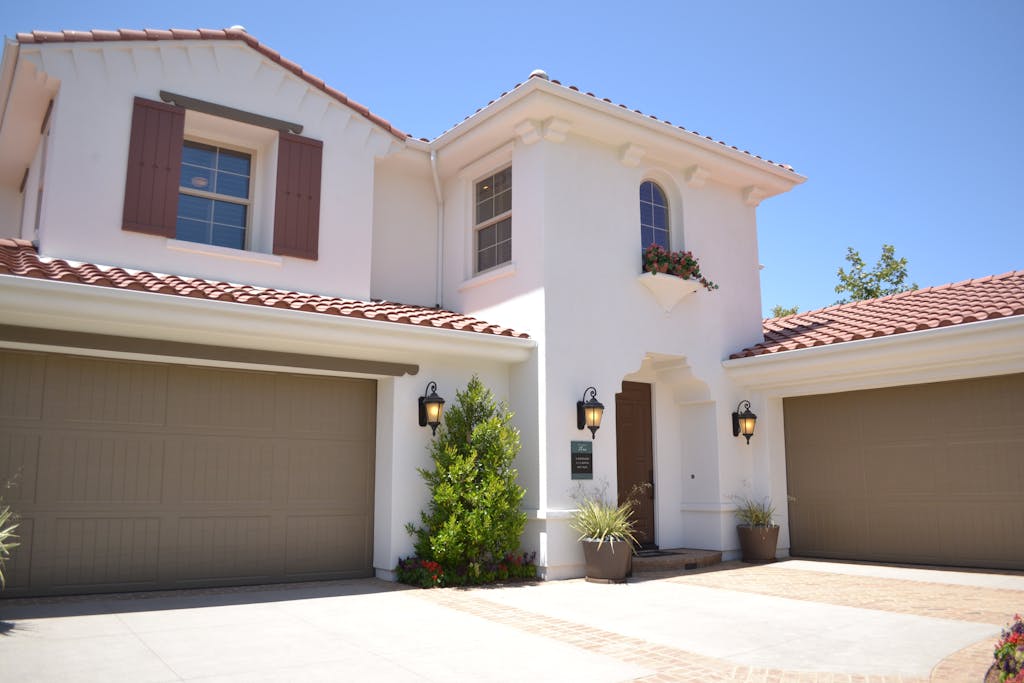
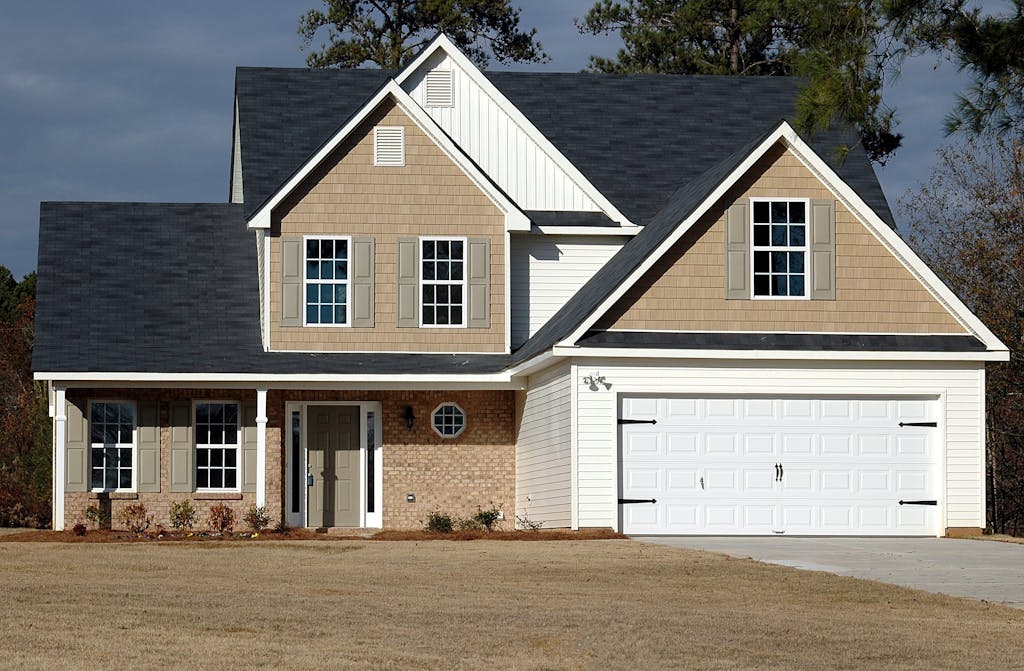
That first impression carries real weight. Devin Henry, President of Nomadic Real Estate, notes that “the garage door can make up roughly 30% of a home’s visible front facade,” meaning buyers are often forming an opinion on value before they even step inside.
Choosing Your New Replacement Garage Door
There’s no shortage of garage door materials and styles to choose from. One of the most important, though, is what it’s made of. Consider your area’s climate and insulation needs before choosing from:
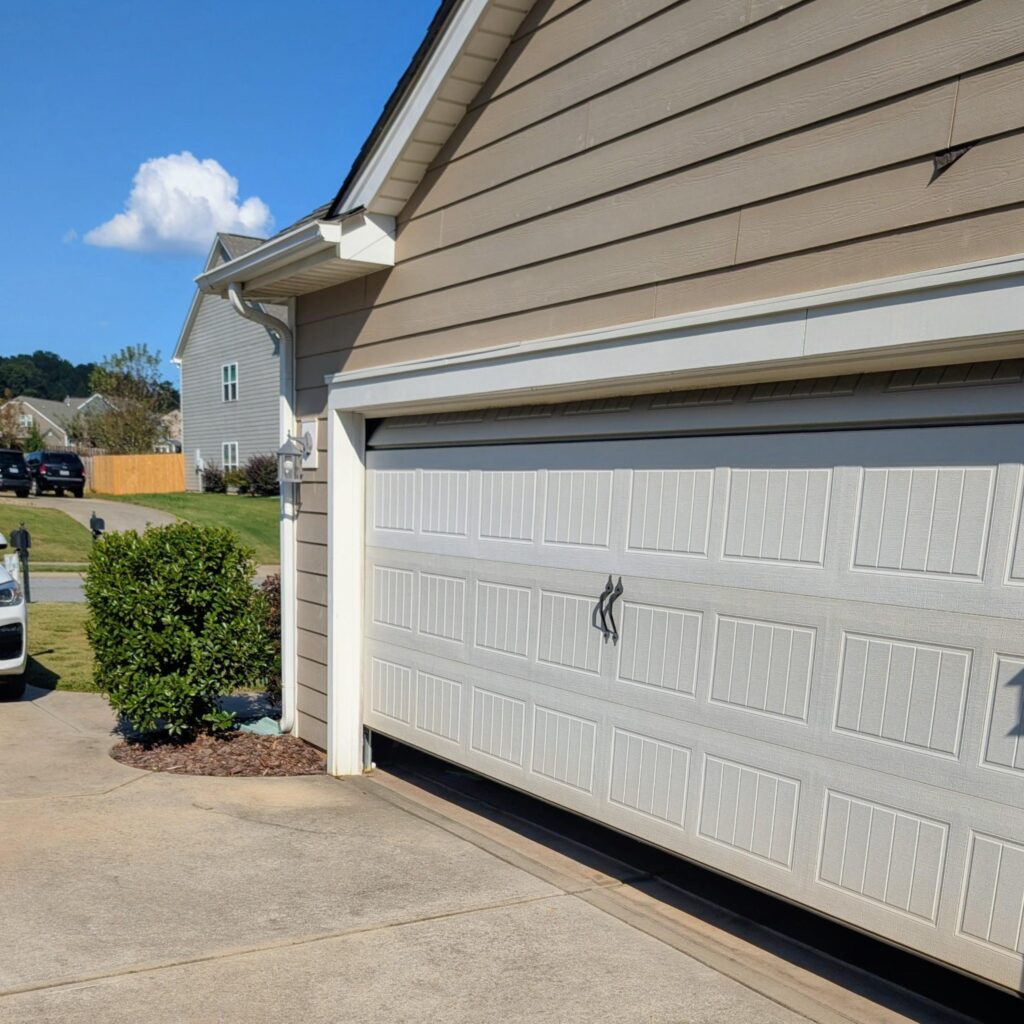
Steel doors are durable, low-maintenance and inexpensive, making them a top pick for standard residential homes.
Aluminum is a lightweight, rust-resistant material, but it’s not as strong as steel and doesn’t contain as much natural insulation.
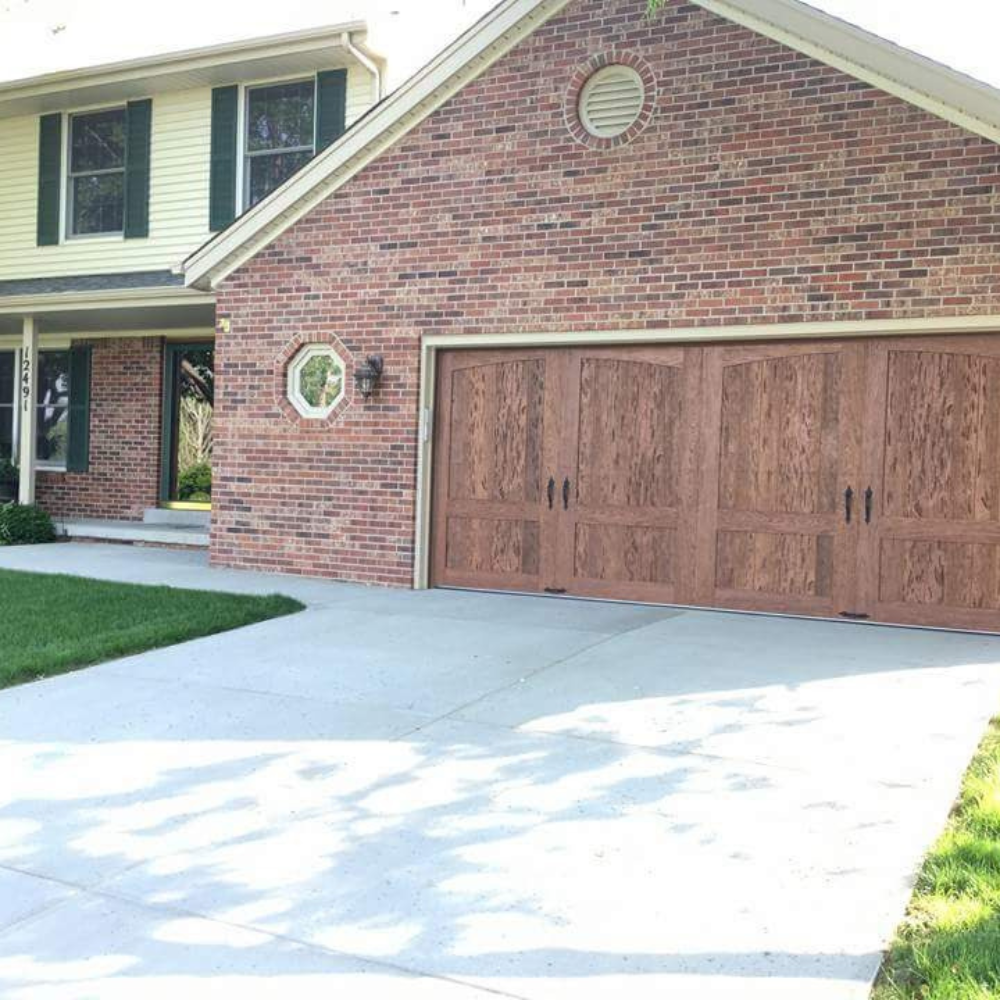
These high-end products are the most expensive options, but they provide excellent durability and can last 20 to 30 years with proper maintenance.
Wood Doors
Composite Doors
Fiberglass is resistant to moisture, humidity and extreme heat, making it a popular choice for homeowners in coastal locations. It’s got a long lifespan but is prone to fading in the sun.
Vinyl is a rust-resistant material, is low maintenance and available in many styles, but it has poor natural insulation, so you’ll need to add insulated panels or have a professional install more permanent insulation.
Each material comes with trade-offs. Steel and composite doors tend to offer the best balance of durability and low maintenance, while wood provides a more premium appearance at a higher cost. Insulated options are especially valuable if your garage is attached to your home or used as a workspace, helping regulate temperature and improve overall efficiency.
Garage Door Installation Methods
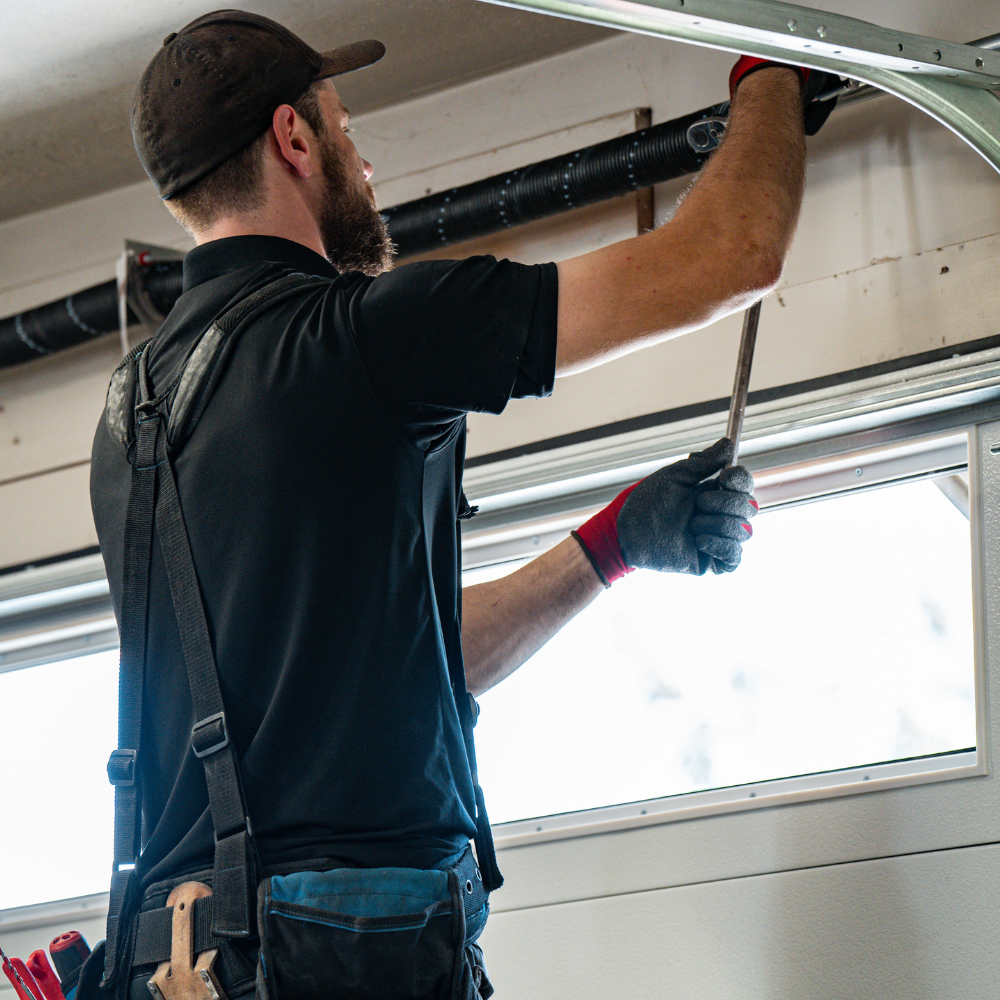
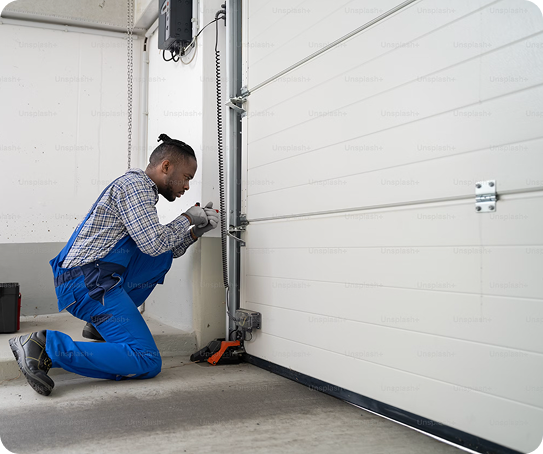
When you hire a professional to install a garage door, the first step is scheduling an on-site consultation. The installer will assess the existing system and its dimensions and provide a parts and labor quote. Assuming you accept the quote, the installation steps will be similar to these:
- Removal and disposal of the old door and its hardware: If you’re taking on the project yourself, be prepared to haul away and recycle the old door.
- Preparation of the frame: If it’s not level or has warped over time, the installation team may need to make some adjustments.
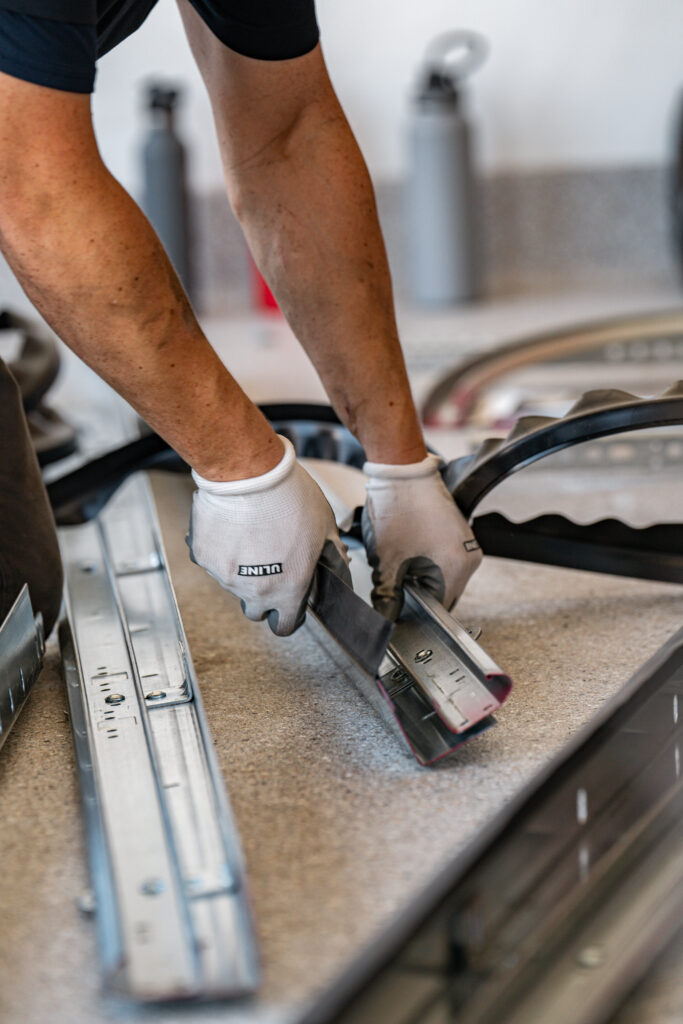
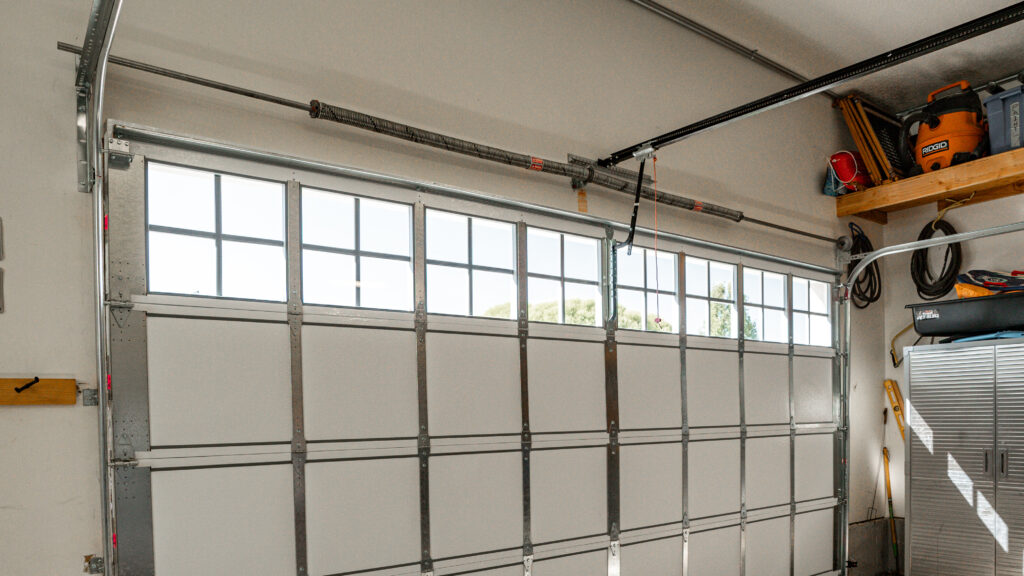
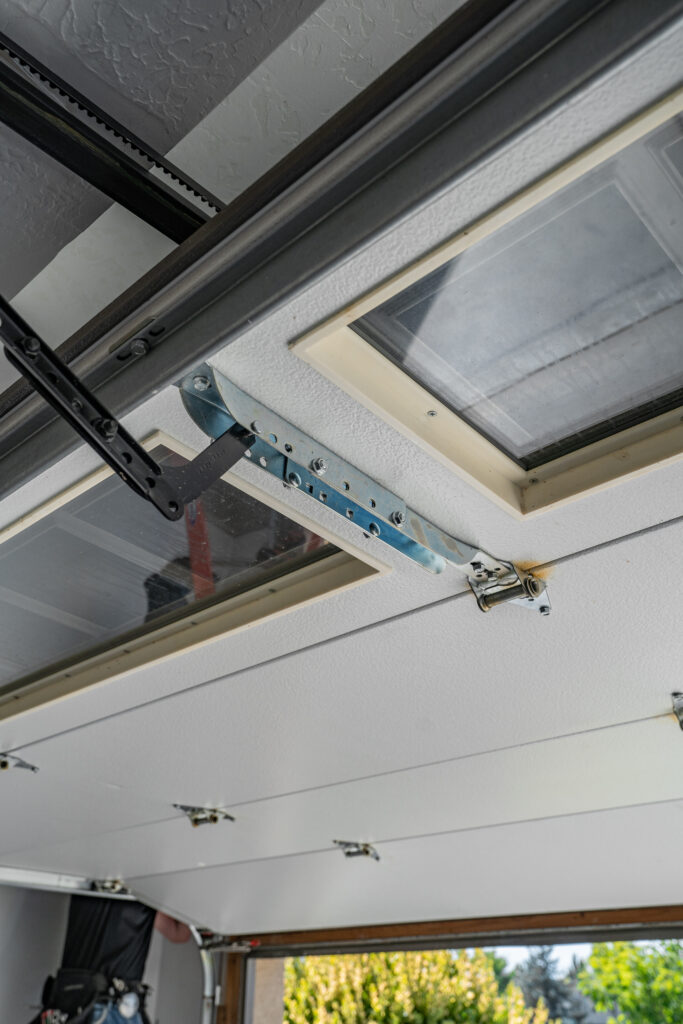
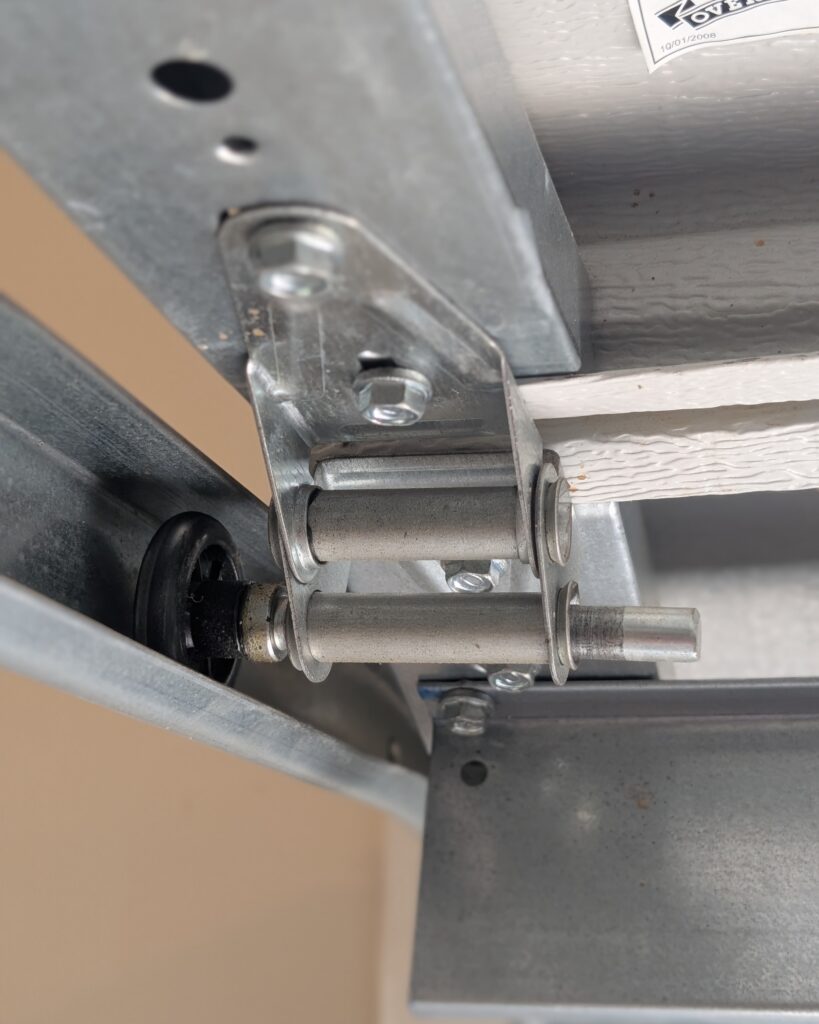
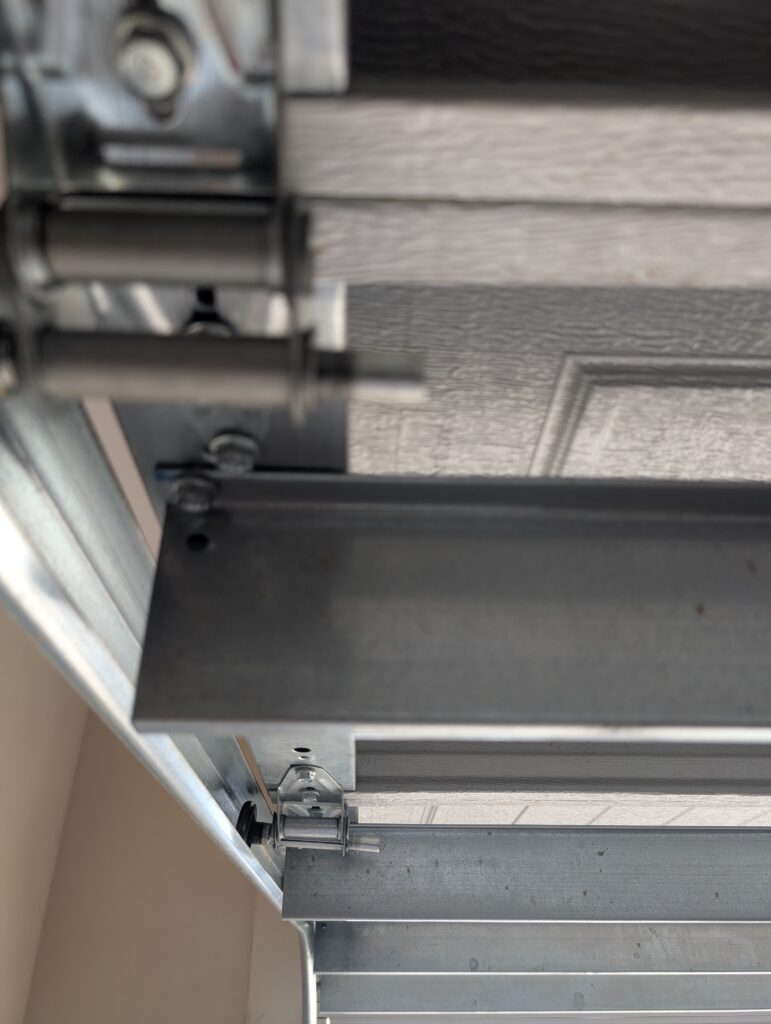
- Track and hardware installation: The installation team will mount the vertical and horizontal tracks, along with any necessary hardware, to the garage door frame. This step requires exact measurements.
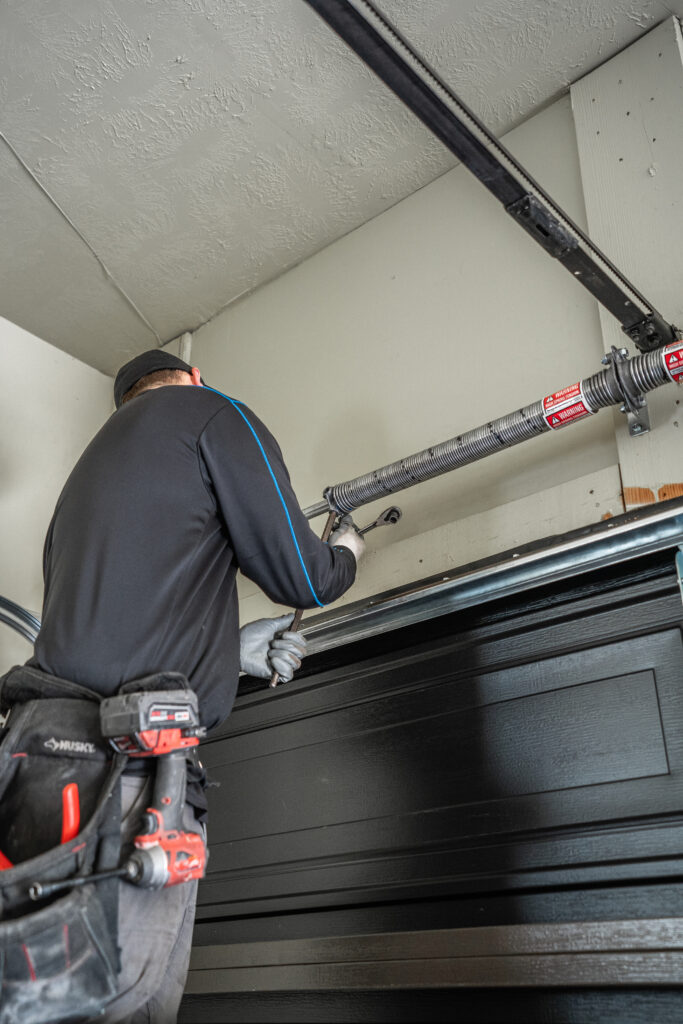
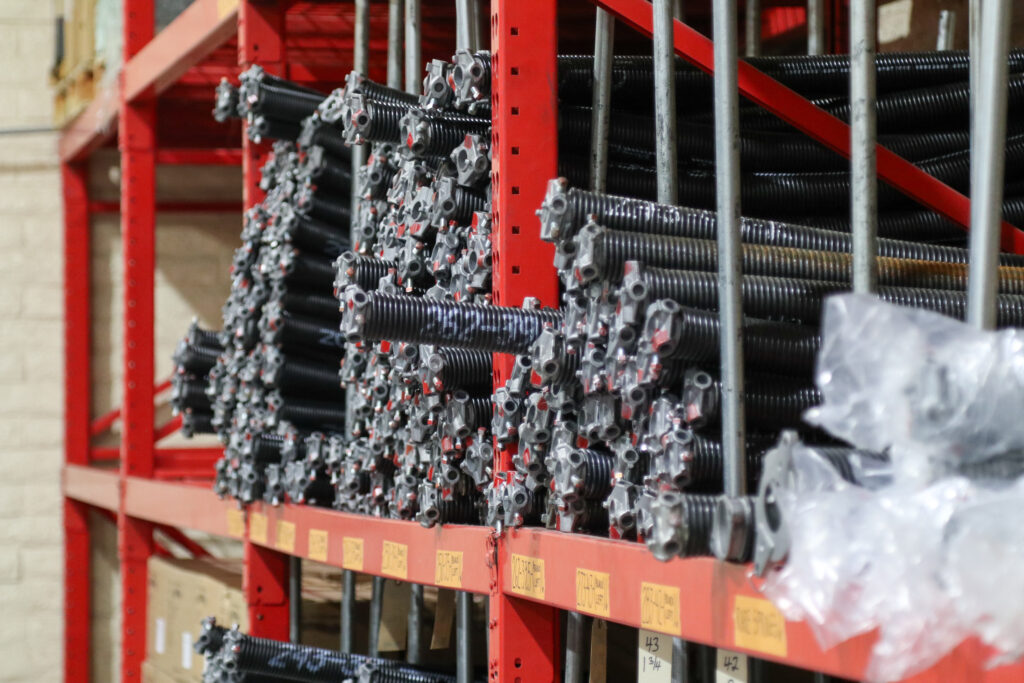
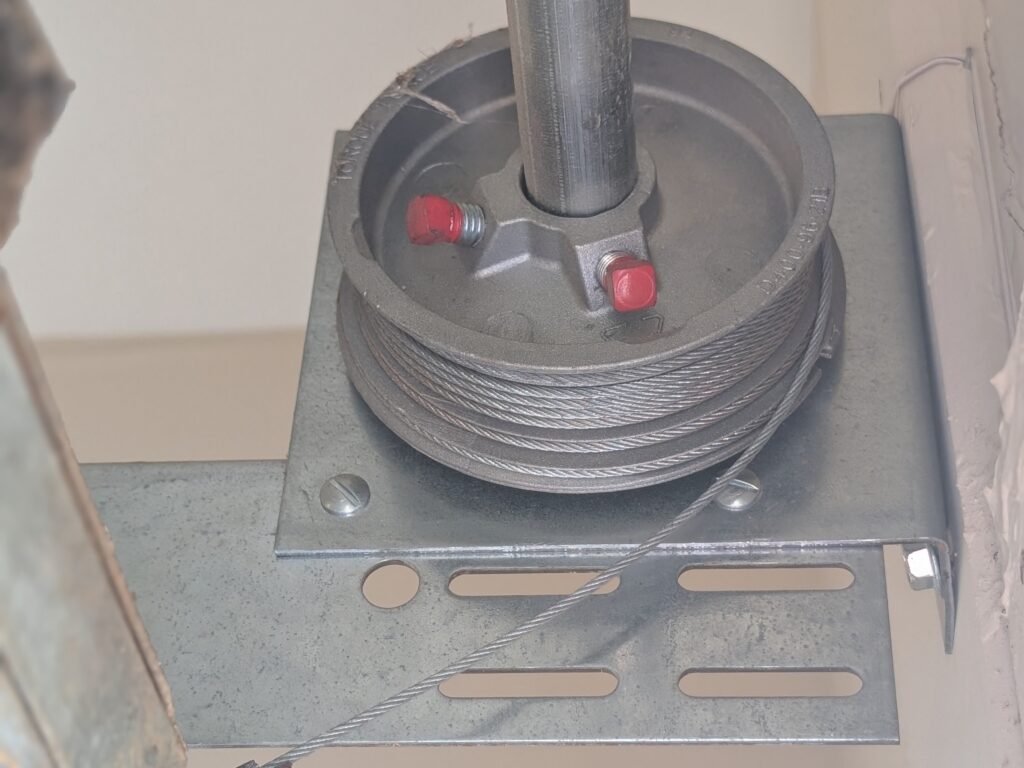
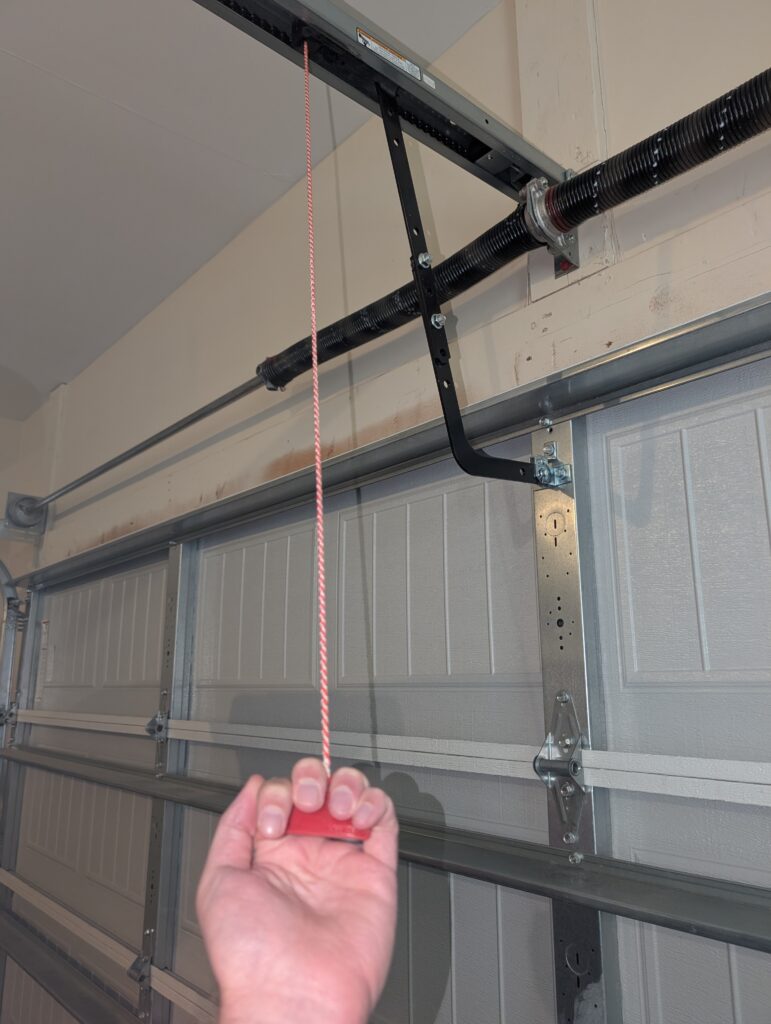
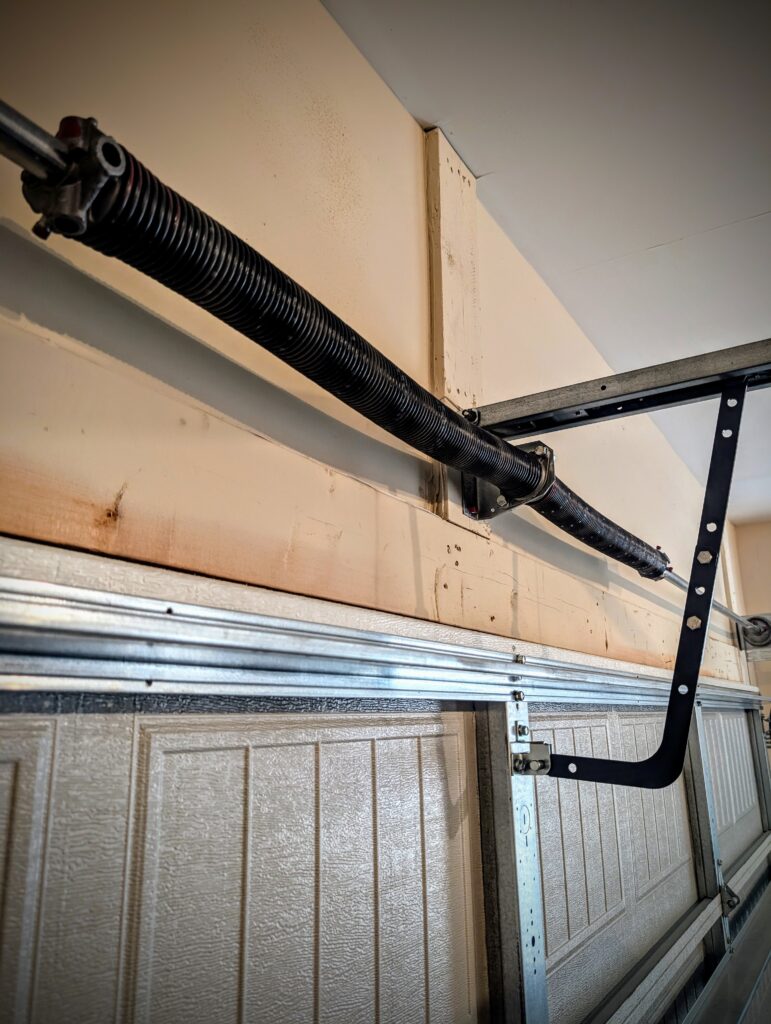
- Installation of springs, pulleys and cables: Both extension springs and torsion springs store immense amounts of pressure. Do not attempt to install springs without a professional or the proper training.
- Installing the panel sections: The pieces of the door itself are then secured to the tracks using specialized equipment.
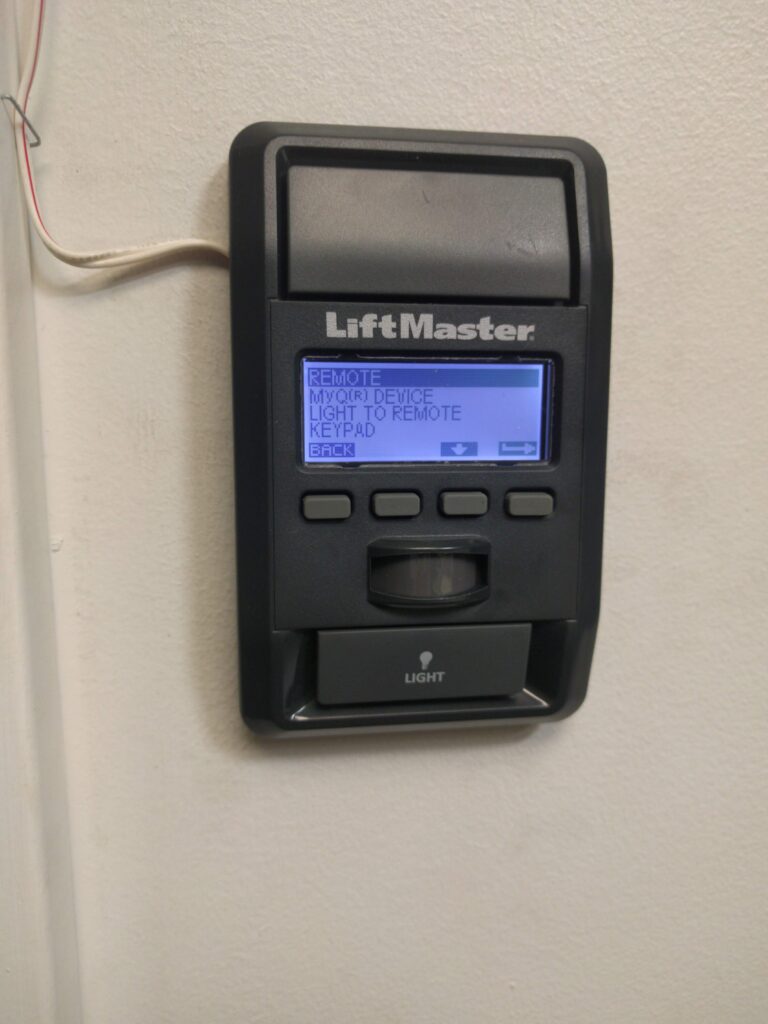
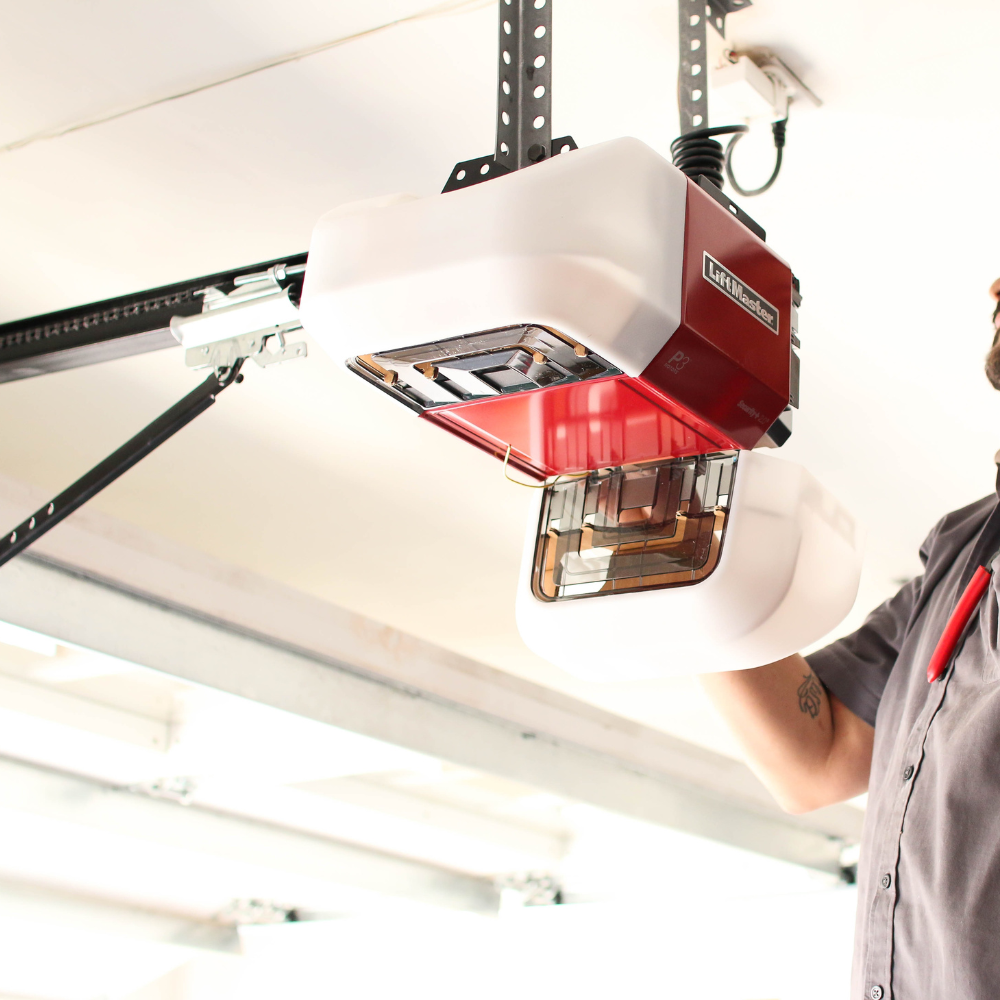
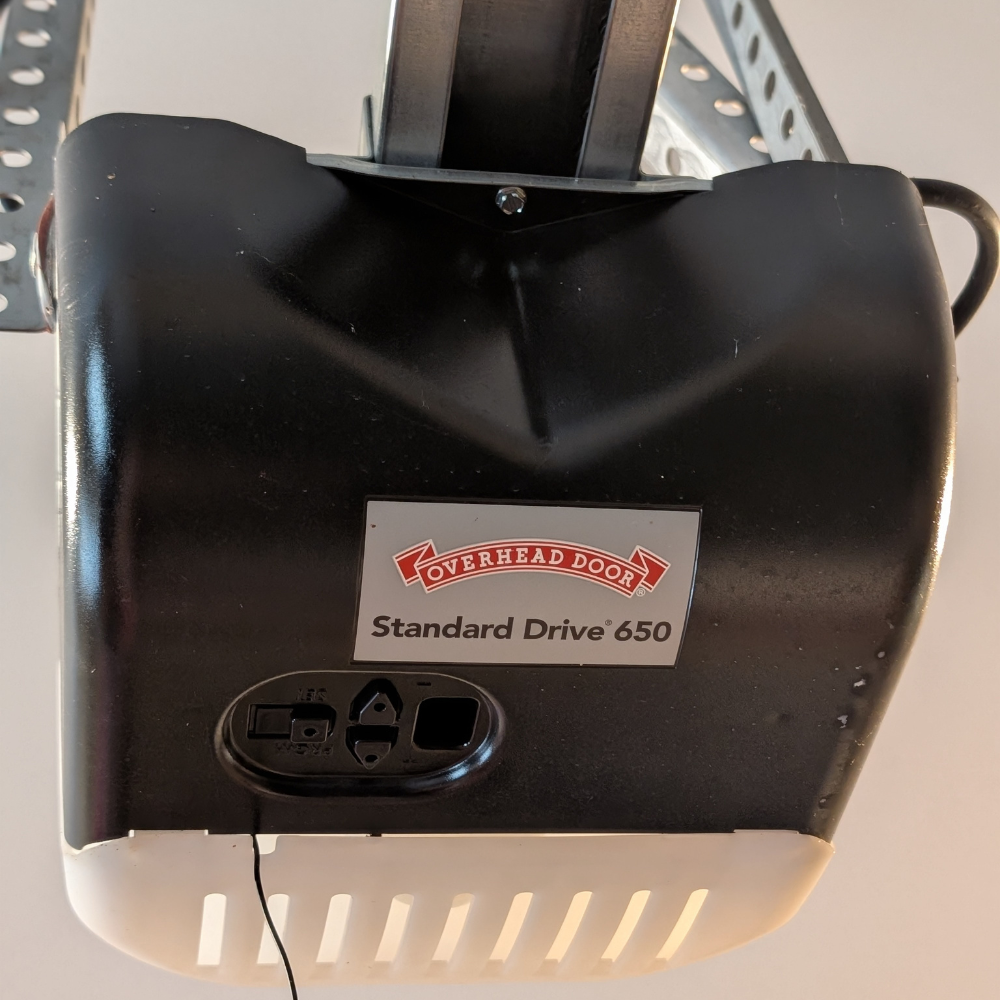
- Attaching the new door to the opener. Whether you’re keeping your existing garage door opener or adding a new one, the installer will connect it to the new door.
The installer will then test the new system and perform a safety check. Most reputable installation companies will offer a limited-time warranty on the labor. Check the manufacturer’s guide for details on your new garage door’s warranty.
Garage Door Replacement Cost Factors
Most homeowners spend between $750 and $1,700 to replace a garage door, though total costs can range from $200 to $8,000+ depending on the project. The final cost of your new garage door is determined by a number of factors. Its dimensions, material, style, insulation, hardware and labor costs all determine what you’ll pay. Steel doors, for example, typically range from $650 to $3,200, making them a popular and cost-effective option. Wood and wood composite doors offer a more premium look and usually cost between $900 and $4,500, while materials like aluminum, vinyl, and fiberglass fall somewhere in between depending on the style and finish you choose.
The sky’s the limit in terms of door styles and optional upgrades you can add to your installation. Before choosing, assess your budget, separate your must-haves from your nice-to-haves and always keep in mind the outstanding ROI potential of installing a new garage door.
Best Features and Upgrades to Consider
Modern garage doors offer more than just basic functionality. The right features can improve convenience, efficiency, and long-term performance.
Common upgrades to consider include:
- Insulated doors with higher R-values for better temperature control
- Smart garage door openers with mobile access and alerts
- Battery backup systems for power outages
- Weather sealing to block drafts, moisture, and pests
- Decorative windows and hardware to enhance curb appeal
Choosing the right combination of features can make your garage more comfortable, easier to use, and better aligned with your home’s overall design.
DIY Considerations
Installing a new garage door isn’t a typical DIY project. The process involves heavy door sections, high-tension springs, and precise alignment, all of which can create serious safety risks if handled incorrectly. Electrical work may also be required to connect the system to your garage door opener.
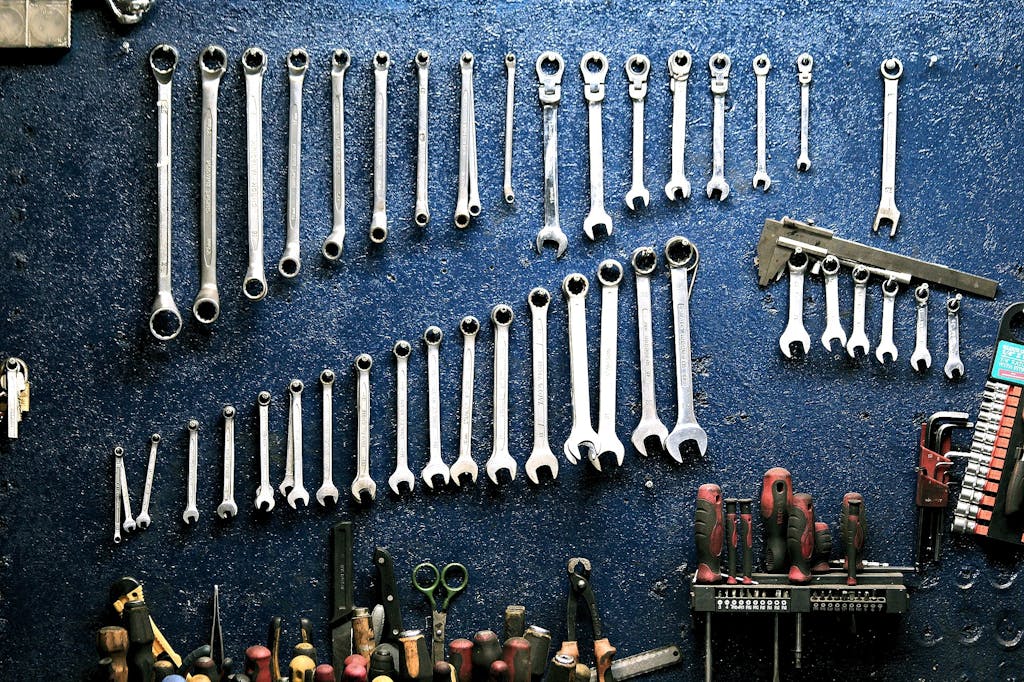
For most homeowners, hiring a professional is the safest and most reliable options. If you do decide to take the DIY route, make sure you have at least one other person to help and come prepared with the right tools:
- Locking pliers
- Screwdriver set
- Adjustable wrenches
- Hammer
- Drill
- Impact driver
- Pry bar
- Measuring tape
- Two ladders
- Safety glasses
- Work gloves
Even with the right tools, proper installation requires careful measurements and an understanding of how all components work together. If anything feels off during the process, it’s best to stop and consult a professional.
Get a Free Quote for Garage Door Replacement
If your garage door is showing signs of wear or you’re ready to upgrade your home’s appearance and functionality, now is a great time to explore your options.
Garage.com connects you with trusted local professionals who can assess your needs, recommend the right door, and provide a detailed quote with no obligation. Whether you’re replacing an outdated system or upgrading for better efficiency and curb appeal, you can get started today with a fast, free estimate.
Frequently Asked Questions About Garage Door Replacement & Installation
Get Your Free Quote and Schedule Your Garage Repair Today
Find top-rated companies for fast garage repairs and service to make sure your garage door system lasts. Get free quotes from garage door companies in your area.
Tips and Expert Advice for Your Garage
Stay informed with expert advice on garage door maintenance, garage door service, garage door replacement, and upgrades. Explore our blog for guides, troubleshooting tips, and more.